The Decision That Arrives With the Last Payment
You made the final payment, the title arrived, and now your renewal notice shows collision and comprehensive coverage on a car you own outright. The premium feels expensive for a vehicle worth less than it was three years ago, but dropping coverage entirely feels reckless. You are weighing a decision most insurance advice never addresses honestly: when does full coverage stop earning its cost for a retiree driving a paid-off car?
This is not a risk question. It is a math question layered with a cash-reserve question. The collision premium you pay annually buys protection against one scenario: your car is totaled, and you need another one immediately without financing. If replacement cash exists in an accessible account, collision coverage duplicates that reserve. If it does not, the premium is buying time you cannot easily replace.
Compare rates from carriers that specialize in senior drivers
Mature driver discounts, low-mileage rates, and coverage reviews — see what you're actually eligible for.
Get Your Free QuoteTexas Property Damage Minimum
$25,000
Texas requires $25,000 in property damage liability per Texas Transportation Code minimum requirements. That limit protects the other driver's vehicle in an at-fault accident, not yours. Full coverage adds collision and comprehensive to protect your own vehicle regardless of fault.
Texas Transportation Code Chapter 601
What Full Coverage Actually Protects on a Paid-Off Vehicle
Full coverage means liability plus collision plus comprehensive. Liability is legally required in Texas and protects the other driver when you cause an accident. Collision pays to repair or replace your vehicle when you cause the accident or when the at-fault driver has no insurance. Comprehensive covers theft, hail, vandalism, and animal strikes.
Once a car is paid off, collision is the coverage most retirees reconsider. Comprehensive premiums run lower and cover risks that do not correlate with driving frequency. A hailstorm does not care whether you drive 3,000 or 30,000 miles annually. Collision premiums reflect accident probability, and accident probability correlates with miles driven. A retiree driving 6,000 miles per year carries collision risk one-fifth that of a commuter driving 30,000 miles, but not all carriers adjust premiums proportionally.
The coverage decision hinges on whether the annual collision premium plus deductible together exceed the amount you would pay out-of-pocket to replace the vehicle if totaled. When they do, collision becomes a losing financial transaction unless replacement cash does not exist.
The unresolved question is whether you have accessible replacement cash if this car is totaled tomorrow. If yes, collision duplicates that reserve; if no, the premium buys cash flow you cannot self-fund.
The Vehicle Value and Premium Threshold
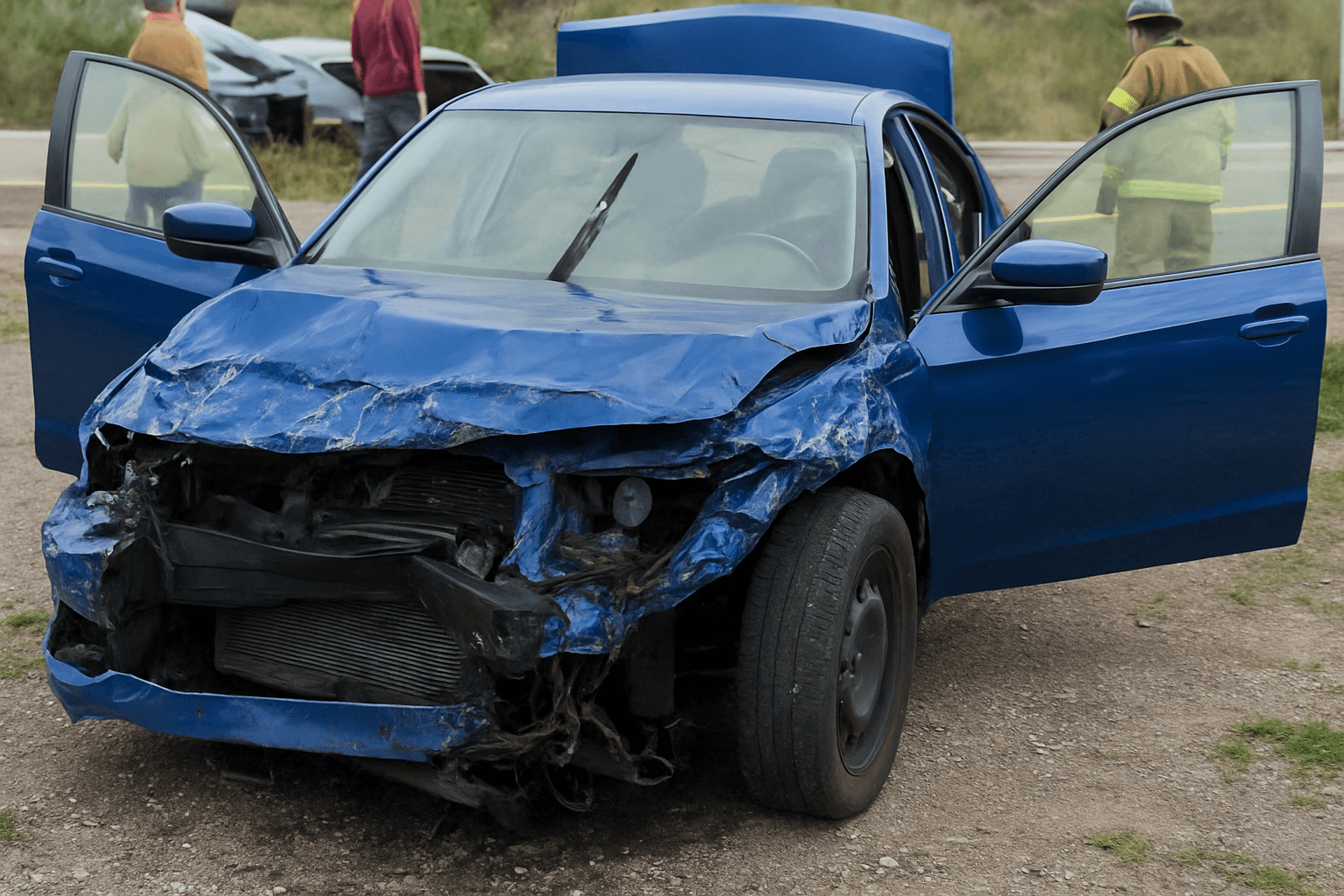
Check your vehicle's actual cash value using NADA or Kelley Blue Book adjusted for mileage and condition. Insurers pay actual cash value at total loss, not replacement cost. A 2015 sedan with 80,000 miles may show a retail value of $9,000 but an actual cash value closer to $7,500. Use the lower figure. Then add your current annual collision premium to your deductible. If collision costs $420 annually and your deductible is $500, you are paying $920 per year to protect a $7,500 asset. That is 12 percent annually, above the conventional 10 percent threshold where coverage becomes inefficient.
The threshold is not a mandate. It is a heuristic. A retiree with $10,000 in accessible savings can self-insure a $7,500 vehicle without financing risk. A retiree without replacement reserves cannot, and the collision premium buys protection the cash reserve does not provide. The decision turns on liquidity, not vehicle age.
Related Articles


How Texas Retirees Adjust Coverage Without Financing Risk
Dropping collision entirely works when replacement cash exists and the vehicle's value has depreciated below the premium threshold. Raising the deductible to $1,000 lowers the annual premium without eliminating coverage. A $1,000 deductible collision policy costs roughly 40 percent less than a $500 deductible policy on the same vehicle. That adjustment makes sense when you can cover $1,000 out-of-pocket but cannot replace the car outright.
Comprehensive coverage rarely justifies elimination in Texas. Hail, theft, and animal strikes occur regardless of driving habits, and comprehensive premiums run low. A paid-off vehicle driven 5,000 miles annually still faces hail risk in spring storm season. Dropping comprehensive to save $120 annually exposes the full vehicle value to non-collision loss.
Review the coverage annually at renewal. A vehicle worth $9,000 this year may be worth $7,000 next year. The premium-to-value ratio shifts as the denominator declines. Collision coverage that made sense at $9,000 vehicle value may cross the threshold at $7,000.
Carriers Writing in Texas
25
At least 25 carriers write personal auto coverage in Texas and offer senior-driver programs. Retirees comparing collision premiums should request quotes from carriers that adjust rates for reduced mileage and offer mature-driver discounts, as premium differences widen on paid-off vehicles where financing does not dictate coverage floors.
Texas Department of Insurance licensed carrier data
Medicare and Medical Payments Coordination
Medical payments coverage and personal injury protection pay medical expenses after an accident regardless of fault. Medicare is primary for retirees aged 65 and older, meaning Medicare pays first and medical payments coverage pays amounts Medicare does not cover. The coordination changes the value proposition of medical payments coverage for retirees.
A working-age driver without health insurance relies on medical payments coverage as primary accident medical protection. A retiree with Medicare Part B already carries accident medical coverage through Medicare. Medical payments coverage becomes secondary gap coverage for co-pays, deductibles, and services Medicare excludes. Carriers in Texas do not require medical payments coverage, and many retirees drop it or reduce limits to $1,000 once Medicare becomes primary.
Compare Carriers That Adjust for Retiree Profiles
Not all carriers price low-mileage and mature-driver profiles the same way. Some carriers reduce premiums proportionally when annual mileage drops from 15,000 to 6,000 miles; others apply a flat retiree discount regardless of actual mileage reported. Request quotes from carriers writing in Texas that offer usage-based or low-mileage programs. GEICO, Progressive, and State Farm all write coverage in Texas and offer mileage-based adjustments or telematics programs.
Texas does not mandate a mature-driver discount, so discounts are filed voluntarily by carriers. Ask each carrier whether completing a state-approved defensive driving course reduces the premium and by how much. The course benefit varies by carrier filing. Some carriers apply the discount automatically at age 55; others require course completion every three years to maintain it. Compare the discount amount against the course enrollment process before committing.
Review Your Coverage at the Next Renewal
Pull your current declarations page and identify your vehicle's actual cash value estimate, your collision premium, and your deductible. Add the annual collision premium to the deductible and divide by the vehicle value. If the result exceeds 10 percent and you have accessible replacement cash, request a quote without collision coverage or with a higher deductible. If replacement cash does not exist, the premium is paying for financing protection you cannot self-fund, and the threshold does not apply. Compare at least three carriers writing in Texas to confirm whether your current premium reflects your actual mileage and retiree profile.