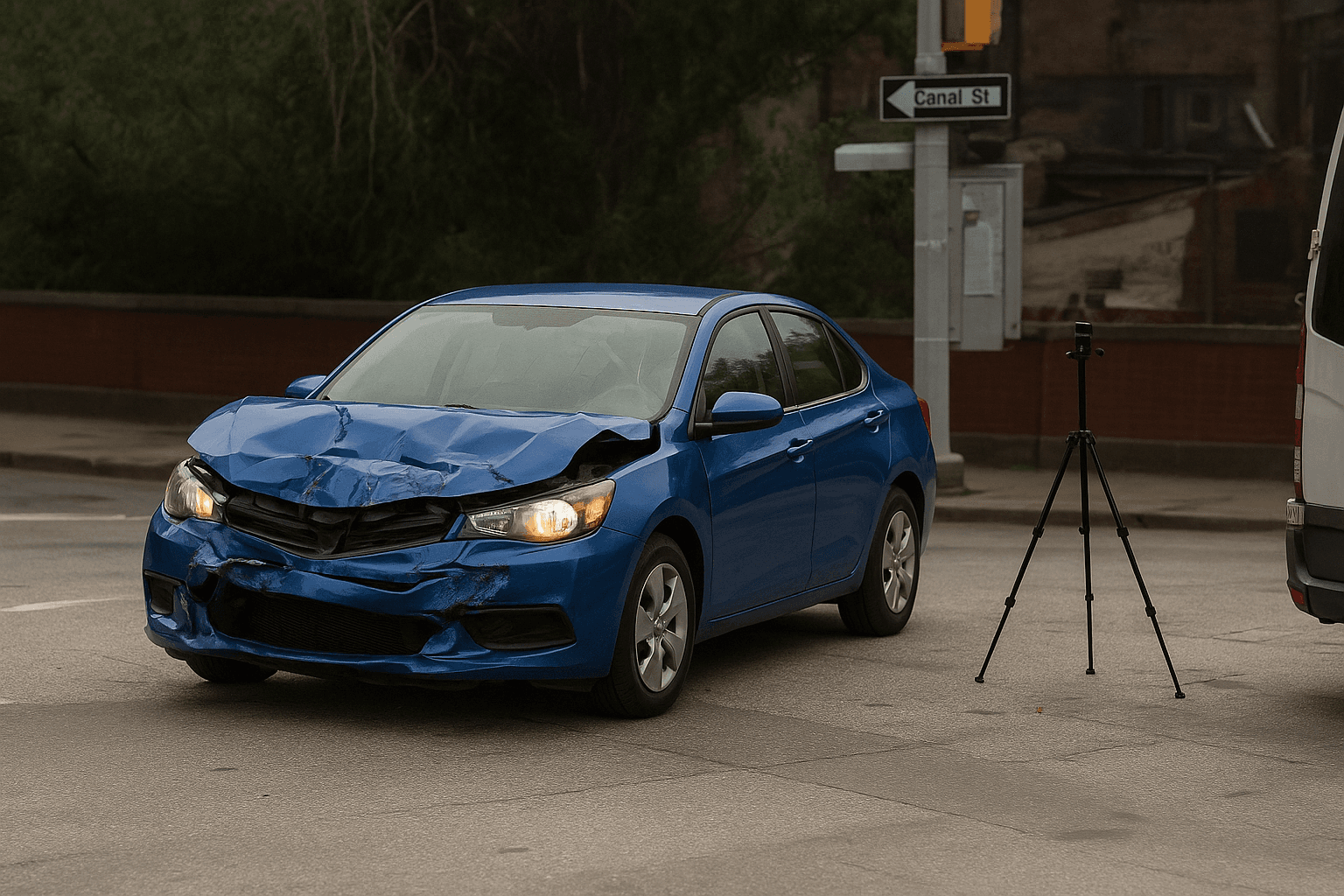
The Renewal Question No Agent Answers
You opened the renewal notice and saw the same collision and comprehensive premium you paid when the car was financed three years ago. The loan is gone, the car is yours outright, and you drive maybe 70 miles a week now—grocery runs, church, the occasional trip to see family. The agent confirmed coverage is optional now but offered no guidance on whether it still makes financial sense.
This is the full-coverage question every Laredo retiree with a paid-off vehicle faces, and the insurance industry will not answer it for you. The decision is not about what coverage you can drop; it is about what a 12-year-old sedan with 110,000 miles would actually pay in a total-loss claim versus what you will pay in collision and comprehensive premiums over the next 24 months.
Compare rates from carriers that specialize in senior drivers
Mature driver discounts, low-mileage rates, and coverage reviews — see what you're actually eligible for.
Get Your Free QuoteTexas Property Damage Minimum
$25,000
Texas requires $25,000 property damage liability per Texas Transportation Code Chapter 601, but collision and comprehensive are never mandated once a lien is satisfied. The minimum protects others' property; full coverage protects your own asset.
Texas Transportation Code Chapter 601
What Full Coverage Actually Covers on a Paid-Off Car
Collision pays to repair or replace your vehicle after an accident you cause or a single-car incident, minus your deductible. Comprehensive pays for non-collision damage: theft, hail, vandalism, flood, fire, hitting a deer. Both coverages pay the actual cash value of the vehicle at the time of the loss, not replacement cost, not what you paid for it. A 2013 model in good condition might be valued at $6,000 by the carrier's assessment even if a comparable replacement costs $8,500 on the used market.
Liability coverage is required by Texas law and stays on your policy regardless of vehicle age or ownership status. Medical payments and uninsured motorist coverage protect you and your passengers, independent of what happens to the car. The only coverage tied to vehicle value is the collision-comprehensive pair, and that is where the math matters for retirees.
Carriers do not automatically drop these coverages when the loan is satisfied. They continue billing the same premium until you instruct them otherwise. The renewal notice will state that coverage is optional, but it will not calculate the breakeven point for you.
The carrier knows your vehicle's actual cash value and your annual collision premium but will not tell you when the premium exceeds the maximum possible payout.
The Three-Year Premium-to-Value Threshold
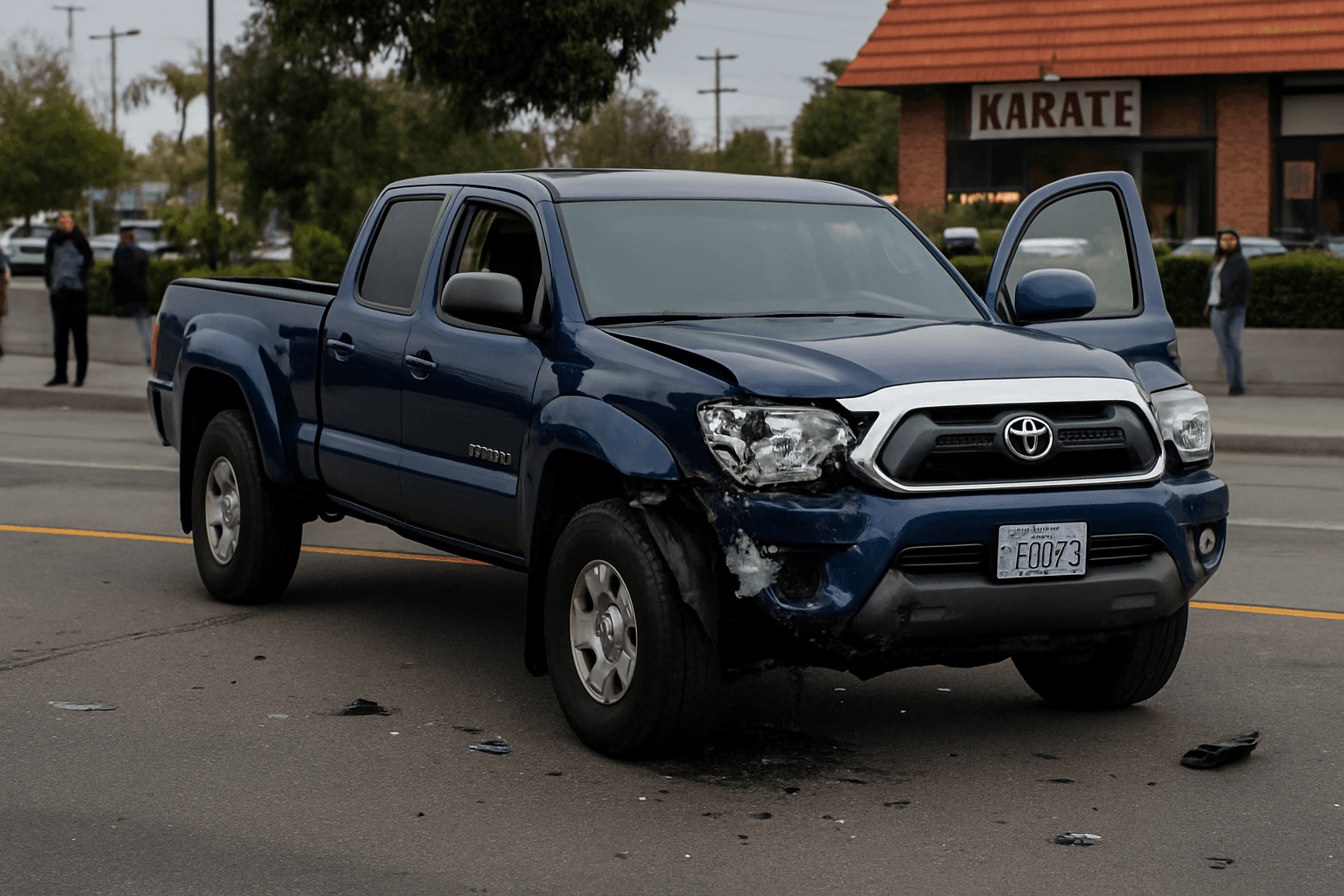
Request a total-loss valuation estimate from your carrier or use the National Automobile Dealers Association (NADA) guide to establish your vehicle's actual cash value in Laredo's market. Subtract your collision deductible from that figure—what remains is the maximum net payout you would receive after an at-fault total loss. Multiply your annual collision and comprehensive premium by three. If that three-year total approaches or exceeds the net payout, the coverage is costing more than it can return.
A 2012 Honda Accord in good condition might be valued at $5,800. With a $500 collision deductible, the maximum net payout is $5,300. If your annual collision and comprehensive premium is $420, three years costs $1,260. That leaves $4,040 of coverage value before the premium catches up. But if the vehicle depreciates 15 percent per year and you renew at the same premium, the math shifts quickly. By year two the payout ceiling is lower and the cumulative premium is climbing.
Related Articles


When Keeping Coverage Still Makes Sense
Comprehensive coverage remains worth its cost longer than collision for many Laredo retirees. Hail, theft, and flooding are not age- or mileage-dependent risks, and comprehensive premiums are typically lower than collision. If you park outside during storm season or live in a ZIP code with higher theft rates, comprehensive can justify its annual cost even on an older vehicle.
Collision coverage makes sense when the vehicle is new enough that its actual cash value substantially exceeds three years of premiums, when you cannot afford to replace the vehicle out of pocket after an at-fault accident, or when the deductible is low enough that a moderate-damage claim would still pay a meaningful amount. A $250 deductible on a vehicle valued at $9,000 leaves real claim utility; a $1,000 deductible on a vehicle valued at $4,500 does not.
Some retirees keep collision coverage for one additional year after payoff, then drop it and bank the premium savings in a dedicated vehicle-replacement fund. That approach self-insures the risk and retains control of the capital. Ask your carrier what your premium would be with collision removed and comprehensive retained—it is often half the full-coverage cost.
Carriers Writing in Texas
25
At least 25 carriers write personal auto policies in Texas per the injected carrier data, and collision-comprehensive pricing varies widely by carrier even on identical coverage. Comparing what three carriers would charge for liability-only versus full coverage can surface a $600 annual difference on the same vehicle.
Carrier licensing records, Texas Department of Insurance
State-Specific Factors Laredo Retirees Face
Texas does not require uninsured motorist coverage, but Laredo's proximity to the border and regional uninsured-driver rates make it worth considering even on a paid-off vehicle. Uninsured motorist property damage can cover your vehicle when the at-fault driver has no insurance, without requiring you to carry collision. The coverage is inexpensive and operates independently of your vehicle's age.
Hail is a recurring risk in South Texas, and comprehensive claims for hail damage are common in Webb County. If you drop comprehensive to save premium, you assume that risk entirely. One severe hailstorm can cause $3,000 in dent-and-glass damage to a vehicle valued at $5,000, and you will pay the full repair or accept the diminished condition.
Carriers in Texas do not automatically reduce your premium when your annual mileage drops after retirement. You must request a low-mileage discount or enroll in a usage-based program that meters your actual driving. Reducing your full-coverage premium by 40 percent through a mileage adjustment changes the math on whether collision still justifies its cost.
How to Make the Decision This Renewal Cycle
Call your current carrier and request two quotes: one with your current full coverage, one with collision removed and comprehensive retained at the same deductibles. Ask for the vehicle's current actual cash value estimate and confirm your annual mileage discount eligibility. Write down both premiums and the valuation figure.
Compare the annual premium difference against the vehicle's net claim payout after your deductible. If you are paying $380 per year for collision coverage on a vehicle valued at $4,200 with a $500 deductible, you are insuring $3,700 of value at a cost that will exceed the coverage in ten years. If the vehicle is likely to remain in service for three more years, that is $1,140 in premiums protecting an asset that is depreciating throughout the period.
Next Step
Request a collision-removal quote from your current carrier before the renewal date, and compare the revised premium against the annual cost of setting aside the premium difference in a savings account earmarked for vehicle replacement. That comparison tells you whether the coverage is a hedge worth its cost or a recurring charge that now exceeds the risk it covers.