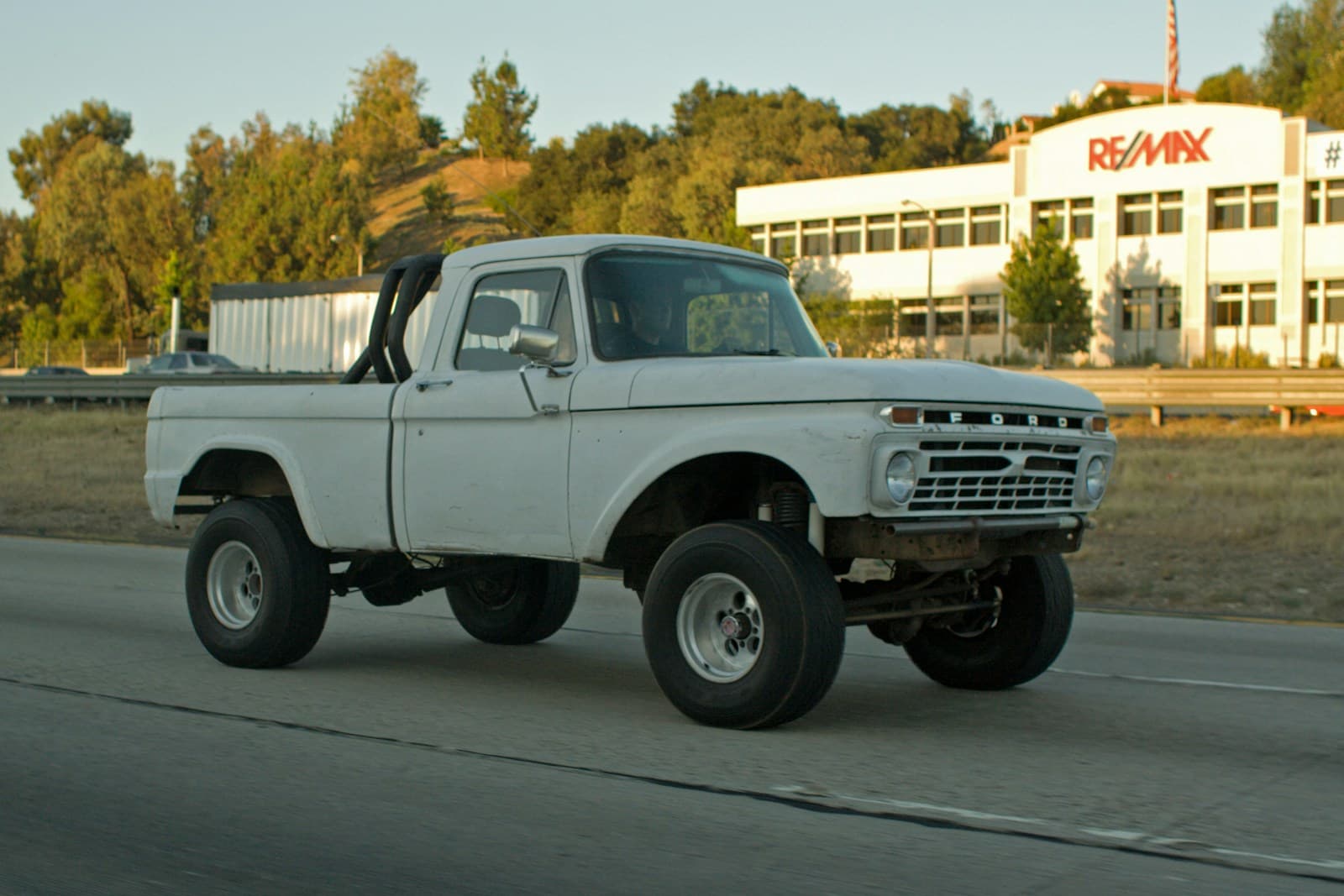
When the Paid-Off Car Still Carries Full Coverage
You made the final payment two or three years ago, celebrated briefly, then kept renewing the same policy you carried when the lender required comprehensive and collision. The premium notice arrives every six months with the same line items. You pay it. Nothing in the renewal packet suggests you now control a decision the bank used to make for you.
Most retirees in Fort Worth drive paid-off vehicles worth $8,000 to $15,000 and log 3,000 to 5,000 miles a year. The collision and comprehensive coverage you're renewing was priced and structured for financed vehicles driven 12,000 miles annually by commuters. No one at the carrier is going to call and tell you the math changed when you paid off the loan. That's the decision this article walks through.
Compare rates from carriers that specialize in senior drivers
Mature driver discounts, low-mileage rates, and coverage reviews — see what you're actually eligible for.
Get Your Free QuoteTexas Property Damage Minimum
$25,000
Texas requires $25,000 property damage liability per accident under state financial responsibility law. This is the coverage that protects your retirement assets when you're at fault and hit another vehicle—the one coverage retirees cannot drop. Collision and comprehensive protect your car; liability protects everything else you own.
Texas Transportation Code Chapter 601
What Full Coverage Actually Covers on a Paid-Off Vehicle
Full coverage is not a policy type. It's shorthand for a liability-only policy plus collision and comprehensive physical-damage coverage. Liability pays when you're at fault and damage someone else's property or injure them. Collision pays when you hit another vehicle or object, regardless of fault. Comprehensive pays for theft, vandalism, hail, flood, animal strikes, and glass damage.
When you financed the car, the lender required collision and comprehensive because their collateral needed protection. You paid the premium; they held the claim check co-signer rights. Once you own the vehicle outright, those two coverages protect only you. The question becomes whether the annual premium justifies the maximum payout you'd receive after the deductible.
Texas does not regulate whether you carry physical-damage coverage on a paid-off vehicle. The state requires liability coverage at the minimums shown above. Collision and comprehensive are optional the moment the lienholder releases the title. That optionality is never explained in a renewal notice.
The blocker: your carrier will never tell you the coverage stopped being worth its cost. Renewal notices list the premium; they don't calculate the payout ceiling minus your deductible against what you're paying annually.
The Coverage-Cost Threshold Retirees Face
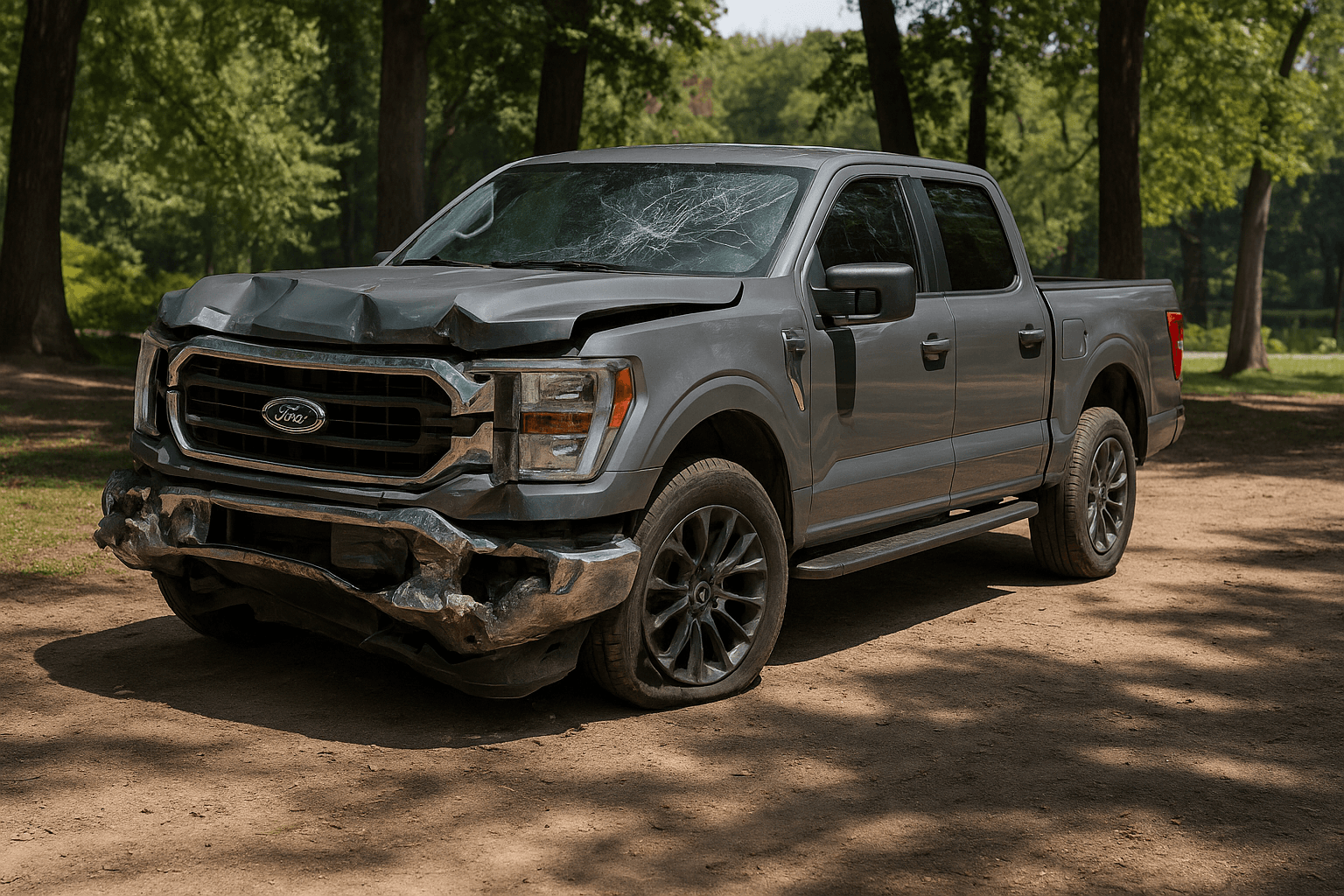
Assume your 2015 sedan is worth $10,000 in current condition. Your collision deductible is $500; your comprehensive deductible is $250. A total-loss collision claim pays you $9,500 after the deductible. If your combined collision and comprehensive premium is $600 per year, you're paying 6% of the vehicle's value annually for coverage capped at $9,500. In two years you've paid $1,200 for a maximum $9,500 benefit. That ratio still works.
Now assume the vehicle ages to $6,000 in value but your premium holds steady at $600 per year because you didn't adjust coverage at renewal. You're now paying 10% of the car's value annually for a $5,500 maximum payout after deductible. One fender-bender claim nets you less than two years of premium. The math no longer justifies the coverage, but the carrier renewed it automatically because you never asked them to stop.
Related Articles



Failure Modes Competing Pages Never Name
The first failure mode: your agent or the online renewal portal will let you renew collision and comprehensive on a twelve-year-old paid-off vehicle worth $4,000 without any prompt asking whether you want to reconsider. Carriers do not build decision-tree prompts into renewal workflows for retirees. You get the same renewal options a 35-year-old financing a new truck receives.
The second failure mode: dropping collision but keeping comprehensive sounds conservative, and many retirees do this without recalculating the comprehensive premium against actual risk. Comprehensive covers theft, hail, and animal strikes. If you park in a garage, live in a low-theft ZIP code, and haven't filed a comprehensive claim in a decade, you're paying $200 to $350 per year for coverage you statistically won't use. That's not conservative; that's inertia.
The third failure mode: you drop physical-damage coverage, then worry every time you back out of a parking space. The decision isn't binary. If your paid-off vehicle is worth $15,000 and you'd struggle to replace it out of pocket, keep collision and drop comprehensive, or raise both deductibles to $1,000 and cut the premium by 30%. The goal is to pay only for coverage that protects an asset you cannot afford to replace from savings, not to renew every line item the lender once required.
Carriers Writing Texas Retiree Policies
25
At least 25 carriers licensed in Texas write auto policies for retirees and will quote liability-only, liability plus comprehensive, or full-coverage configurations on paid-off vehicles. Comparing coverage structures across three to five carriers shows you which let you tailor the policy to the vehicle's current value and your actual mileage, rather than renewing the configuration the bank required five years ago.
How to Recalculate Coverage at Your Next Renewal
Start with the vehicle's current value. Use the private-party value from a national valuation guide, not what you think you could sell it for or what you paid. Subtract your collision deductible. That's your maximum collision payout. Subtract your comprehensive deductible. That's your maximum comprehensive payout. Now pull last year's declaration page and add up what you paid for collision and comprehensive over twelve months.
If the combined annual premium is less than 10% of the vehicle's value and you'd need to finance a replacement if the car were totaled, keep both coverages. If the premium exceeds 10%, calculate what happens if you drop collision or raise your deductibles to $1,000. Many retirees cut collision premium by 40% just by moving from a $500 to a $1,000 deductible, and the higher out-of-pocket is manageable from savings if a claim happens.
What You Keep, What You Drop, and What You Raise
Liability coverage is not negotiable. Texas requires $30,000 per person and $60,000 per accident for bodily injury, plus $25,000 property damage. Most retirees should carry higher limits because retirement assets—your home equity, savings, investment accounts—are exposed in an at-fault accident. Umbrella policies are common among retirees precisely because dropping liability to the state minimum exposes decades of accumulated wealth to a single collision judgment.
Collision is the line item that costs the most and pays the least on older paid-off vehicles. If your car is worth under $5,000 and you have $3,000 in accessible savings, drop collision. You're self-insuring a small asset you can replace without financing. If the vehicle is worth $12,000 and you'd need to take a loan to replace it, keep collision but raise the deductible as high as your savings comfortably cover.
Comprehensive is cheaper than collision but pays for events most retirees never experience. If you've never filed a comprehensive claim, park in a garage, and live in a low-theft area, drop it. If you park on the street in a hail-prone or high-theft ZIP code, keep it with a $500 or $1,000 deductible. The decision is risk-specific, not a default.
Medical payments coverage and personal injury protection interact with Medicare. Most retirees on Medicare Part B do not need medical payments coverage because Medicare is primary. PIP is not required in Texas. If your current policy includes it, confirm with your carrier how it coordinates with Medicare before paying for redundant coverage.
Compare Configurations Before You Renew
Pull quotes from three carriers writing in Texas: one from your current insurer showing liability-only, liability plus comprehensive, and full coverage with a $1,000 deductible; one from a carrier that writes preferred-tier retiree policies; one from a standard-market carrier. The declaration pages will show you exactly what each configuration costs and what the coverage ceiling is after your deductible. That's the comparison the renewal notice will never give you.
Ask each carrier whether they offer a low-mileage discount and what documentation they require. Some apply the discount automatically when you report annual mileage under 5,000 miles at renewal. Others require odometer photos every six months. A few offer usage-based programs that track mileage via a plug-in device and adjust your premium mid-term. The discount exists at most carriers writing in Texas; it is not applied unless you ask and verify your mileage qualifies.
Texas does not mandate a mature-driver discount, so eligibility and amounts are set by each carrier's filed rates. Some offer an age-based discount starting at 55 or 65. Others offer a course-completion discount when you finish a state-approved defensive driving course. A few offer both. Contact your current carrier and your comparison quotes to confirm what they file and what you must submit to activate it. Mature-driver discounts are not automatic at renewal; most require you to request them and provide documentation every renewal cycle.