Why the Full-Coverage Question Arrives When the Lien Clears
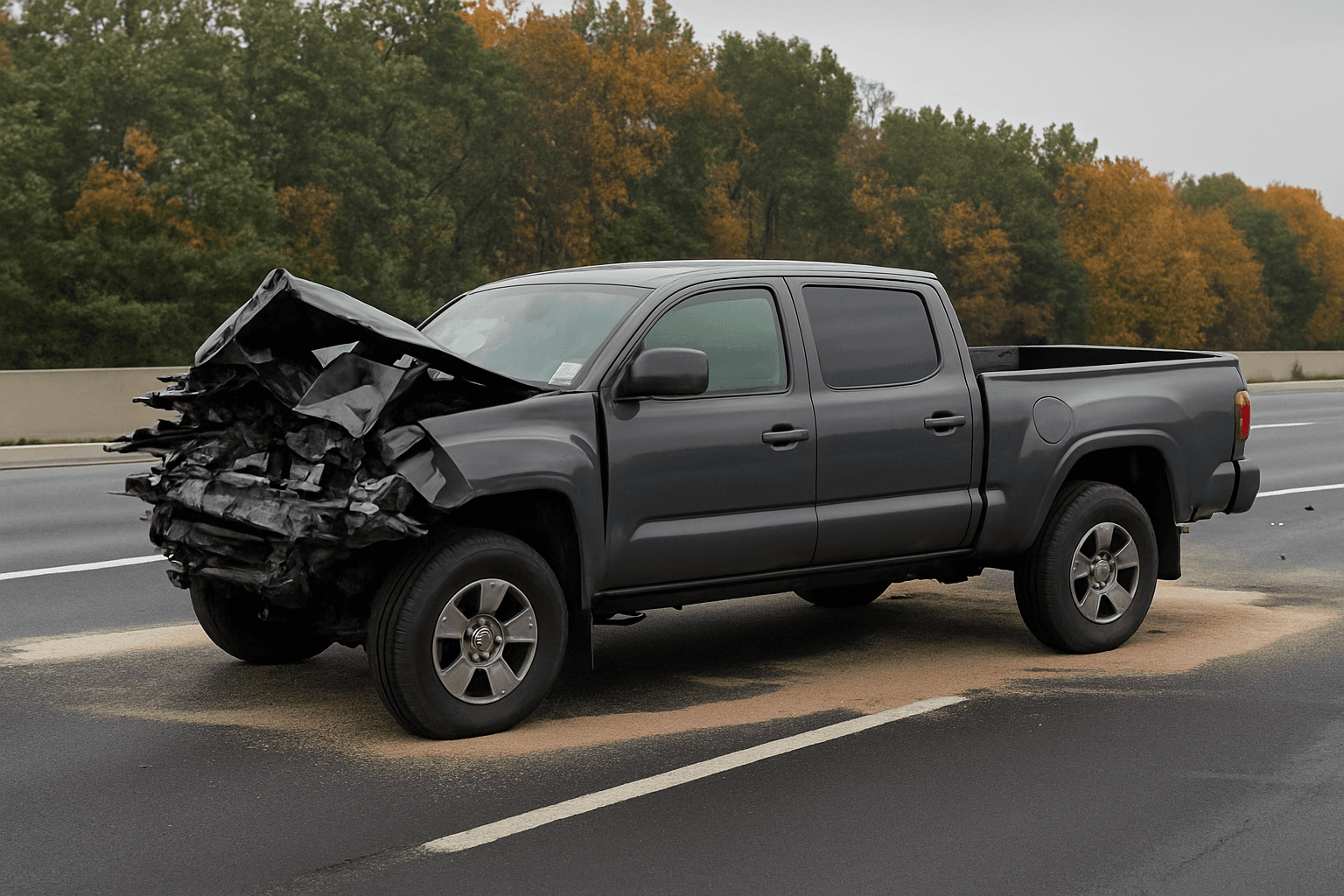
You made your last car payment and the title arrived in the mail. For the first time in years, no lender requires you to carry collision and comprehensive. You open your renewal notice and see $850 annually for coverages protecting a 2014 sedan you drive 4,000 miles a year. The question you're asking is whether those coverages still earn their cost now that you own the car outright and retirement income is fixed.
The lender required full coverage because their asset was at risk, not yours. Now the asset is yours, the decision is yours, and the math changes completely. Most retirees in McKinney drop collision within a year of paying off the car. Some keep comprehensive because hail and theft cost less to insure than collision does. The path forward depends on what your car is worth today, what you'd pay out of pocket if it were totaled tomorrow, and whether you'd rather self-insure the risk or pay the carrier to hold it.
Compare rates from carriers that specialize in senior drivers
Mature driver discounts, low-mileage rates, and coverage reviews — see what you're actually eligible for.
Get Your Free QuoteTexas Property Damage Minimum
$25,000
Texas requires $25,000 property damage liability per accident under Transportation Code §601.072. That figure protects the other driver's car when you're at fault; it does nothing for your own vehicle once the lien clears. Collision covers your car regardless of fault; liability does not.
Texas Transportation Code §601.072
What Full Coverage Actually Protects Once You Own the Car
Full coverage is shorthand for a liability-plus-physical-damage package: bodily injury and property damage liability to cover the other driver when you're at fault, plus collision to repair your car after an accident regardless of fault, plus comprehensive to cover theft, hail, fire, and animal strikes. The lender required the physical-damage half because a totaled car with a lien still owed creates a loss they absorb. Once you hold the title, that loss is yours to carry or insure.
Collision pays actual cash value: what your car is worth the day before the accident, minus your deductible. Actual cash value for a 2014 sedan with 90,000 miles in McKinney typically runs $5,000 to $8,000 depending on make and condition. If your collision premium is $650 annually with a $500 deductible, you're paying the carrier $650 to protect a $6,500 asset and you'd keep $6,000 after the deductible if the car were totaled. That's the transaction you're evaluating: does $650 annually to protect $6,000 make sense when you could bank that premium and self-insure instead.
The blocker is informational: you don't know what your car is worth today and you can't run the drop-it math without that figure.
The 10× Rule and When It Tells You to Drop Collision
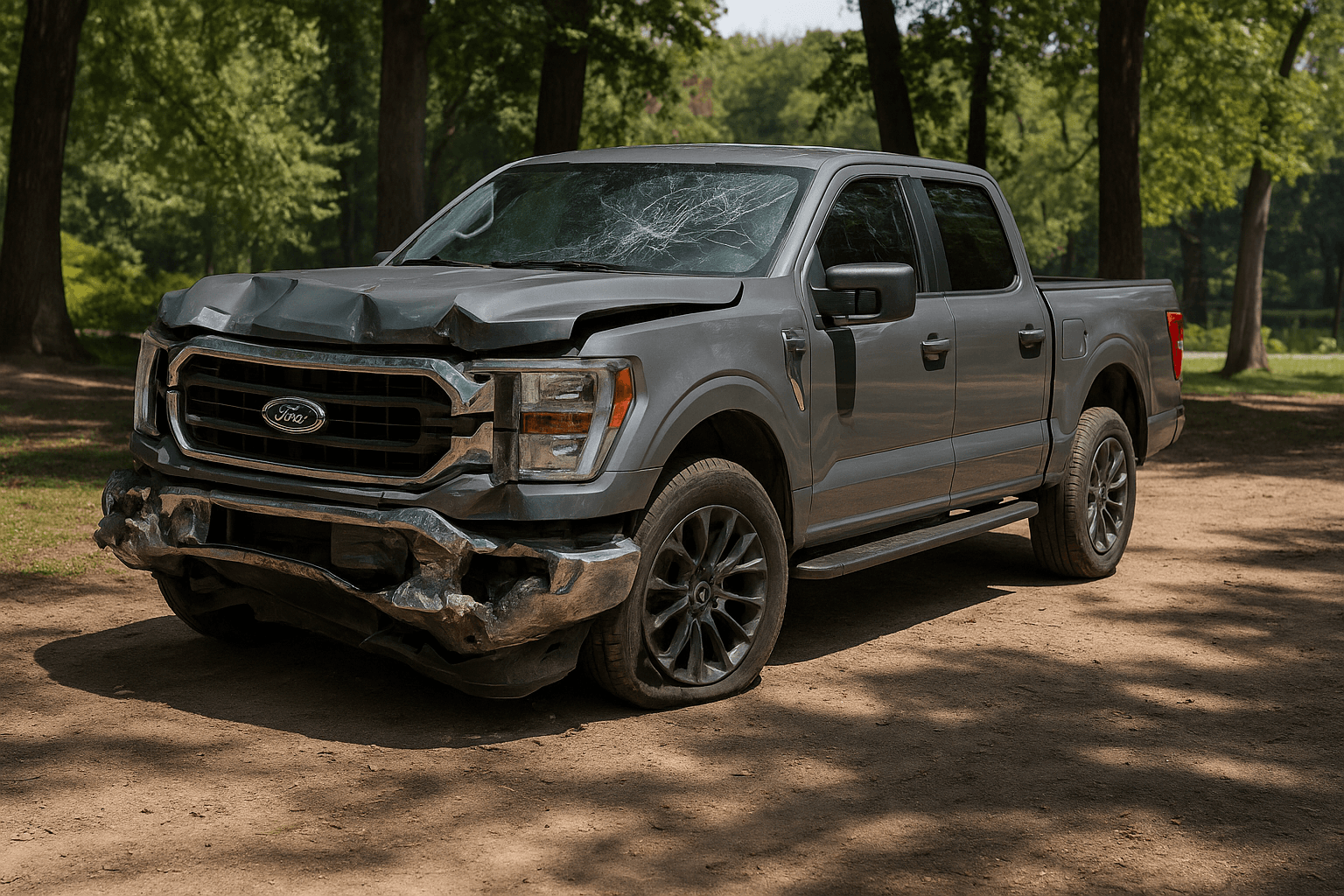
Run the math with your own figures. Look up your car's private-party value on Kelley Blue Book or NADA Guides using your VIN, mileage, and condition. Multiply your annual collision premium by 10. If the value is lower than the premium multiple, you're paying more to insure the car than the car is worth over a reasonable time horizon. A $6,000 car and a $650 annual collision premium puts you at 9.2×, just under the threshold. At $5,000 value, you're at 7.7× and self-insuring makes financial sense. Bank the premium instead and you'll replace the car in 8 years even if you total it tomorrow.
This rule assumes you can absorb the loss without financial hardship. If losing the car tomorrow would prevent you from buying another one and you depend on the vehicle for medical appointments or errands, the 10× threshold bends. The decision is about cash flow and asset exposure, not just arithmetic. Retirees with savings and a second household vehicle drop collision faster than those who depend on one car and cannot replace it from liquid assets.
Related Articles



Why Most McKinney Retirees Keep Comprehensive and Drop Collision First
Comprehensive covers non-collision events: hail, theft, fire, vandalism, and animal strikes. In McKinney, hail season runs March through May and a single storm can total a car parked outside. Comprehensive premiums run $150 to $250 annually with a $500 deductible, roughly one-third the cost of collision. The risk profile is different: you control collision risk by driving carefully, but hail and theft are environmental.
Most retirees keep comprehensive and drop collision when the car's value falls below the 10× threshold. Comprehensive pays for itself if one hail event occurs during the policy period. Collision only pays if you cause an accident or another driver hits you and flees. If your driving record is clean and your annual mileage is under 5,000, collision risk is low and the premium doesn't justify the coverage. Comprehensive risk is constant regardless of how carefully you drive.
Review your renewal breakdown and confirm what you're paying for each coverage separately. Some carriers bundle collision and comprehensive into a single line item; others itemize them. If your carrier won't unbundle, shop the comparison at renewal. Carriers writing in McKinney include USAA, State Farm, Geico, Progressive, and Allstate. Each prices the physical-damage coverages differently for low-mileage retirees. Request quotes with liability-only, liability-plus-comprehensive, and full-coverage configurations so you can see the collision cost isolated.
When Dropping Full Coverage Becomes a Savings Mistake Instead
The 10× rule assumes your car's value is static. If your car is appreciating or holding value unusually well, the math shifts. Classic cars, low-production models, and certain trucks hold value longer than the depreciation curve predicts. Run the valuation annually at renewal rather than assuming depreciation. A 2014 truck worth $12,000 today might still be worth $11,000 next year if the used market tightens.
Medical payments coverage and personal injury protection interact with Medicare in ways collision does not. If you drop full coverage, confirm whether your policy includes medical payments as a standalone add-on or bundled with physical damage. Medicare is primary for retirees over 65, but med pay covers deductibles, co-pays, and passengers not covered by Medicare. Dropping collision should not automatically drop med pay; verify the two are separable on your policy.
Some retirees finance home or property improvements using the paid-off vehicle as collateral. If you took a home-equity line of credit or personal loan secured by the car, the lender may require physical-damage coverage even though the auto lender no longer does. Review loan documents before making coverage changes. Dropping required coverage can trigger a default clause and force-placed insurance at rates far higher than your current premium.
Carriers Writing McKinney
25
At least 25 carriers write personal auto policies in Texas and serve McKinney residents. Not all price low-mileage retiree profiles identically. Comparing liability-only and liability-plus-comprehensive quotes across five carriers at renewal shows you what the collision premium actually buys and whether another carrier prices your profile more favorably without it.
Texas Department of Insurance carrier database
How to Transition from Full Coverage to Liability-Plus-Comprehensive Cleanly
Call your agent or log into your online account 30 days before renewal. Request a quote removing collision but keeping comprehensive and liability at your current limits. Ask whether removing collision triggers any policy-level discounts to drop: some carriers offer multi-coverage discounts that disappear when you unbundle. Confirm the annual savings after any discount loss. If the net savings is less than $400 annually, the coverage may still justify its cost depending on your car's value and your risk tolerance.
Texas does not require a waiting period to reinstate dropped coverages. If you drop collision today and total your car in six months, you cannot retroactively add it back to cover that loss, but you can add it forward at your next renewal or mid-term if your situation changes. Some retirees drop collision, bank the savings for two years, then reinstate it if the car's value holds or they become uncomfortable self-insuring. The decision is reversible; the loss is not.
Run the Math With Your Own Figures and Compare Before You Drop
Look up your car's current private-party value using your VIN and actual mileage. Divide that value by your annual collision premium. If the result is under 10 and you can absorb the loss without financial hardship, dropping collision and banking the premium saves you money over the vehicle's remaining life. If the result is over 10 or losing the car tomorrow would prevent you from replacing it, keep collision until the value crosses the threshold. Request quotes from three McKinney-area carriers at liability-only, liability-plus-comprehensive, and full-coverage levels so you see what each piece costs and whether switching carriers changes the math. The paid-off title gives you the freedom to choose; the comparison shows you what that choice costs.