
The Renewal Notice That Never Changes
You finished paying off the car three years ago. The bank sent the title, you filed it, and nothing about your policy changed. Your renewal notice arrives every six months with the same line items: liability, collision, comprehensive, medical payments. The premium creeps up a little each cycle, but the structure stays identical to the day you drove the car off the lot.
No one at your carrier suggested reviewing the coverage now that the lien is gone. No one asked how many miles you drive now that you're retired. The policy treats a paid-off vehicle driven 6,000 miles a year exactly like a financed vehicle driven 15,000. That's the gap this article closes: whether collision and comprehensive still earn their cost when your driving profile changed but your coverage didn't.
Compare rates from carriers that specialize in senior drivers
Mature driver discounts, low-mileage rates, and coverage reviews — see what you're actually eligible for.
Get Your Free QuoteTexas Property Damage Minimum
$25,000
Texas requires $25,000 property damage liability per accident under state minimum law. That's the floor every Texas driver must carry; the question for retirees with paid-off vehicles is what sits above it.
Texas Transportation Code, state minimum liability requirements
What Full Coverage Actually Covers When You Own the Car
Full coverage is not a product. It's shorthand for a liability policy with collision and comprehensive added. When you financed the car, the lender required both: collision covers damage you cause to your own vehicle in an accident, comprehensive covers theft and non-collision damage like hail or vandalism. The lender's interest ended the day you made the final payment. Yours might have too.
Collision pays up to the actual cash value of your vehicle minus your deductible. If your car is worth $8,000 and you carry a $1,000 deductible, the maximum payout is $7,000. Comprehensive works the same way. Neither coverage repairs your car to better-than-actual-value condition, and both stop paying anything once the vehicle's value falls below the annual premium plus deductible.
Liability coverage, by contrast, protects your assets if you're at fault. Texas is an at-fault state: the driver who caused the accident pays for the other party's vehicle, medical bills, and other damages. Retirement-era assets like home equity, savings, and investment accounts are all exposed in a serious at-fault accident. That's why most retirees keep liability limits well above the state minimum even when they drop collision.
You're paying to insure an asset you own against damage you cause to it, but the payout ceiling is the car's depreciated value minus a deductible you'll never recover.
The Break-Even Threshold Most Carriers Never Mention
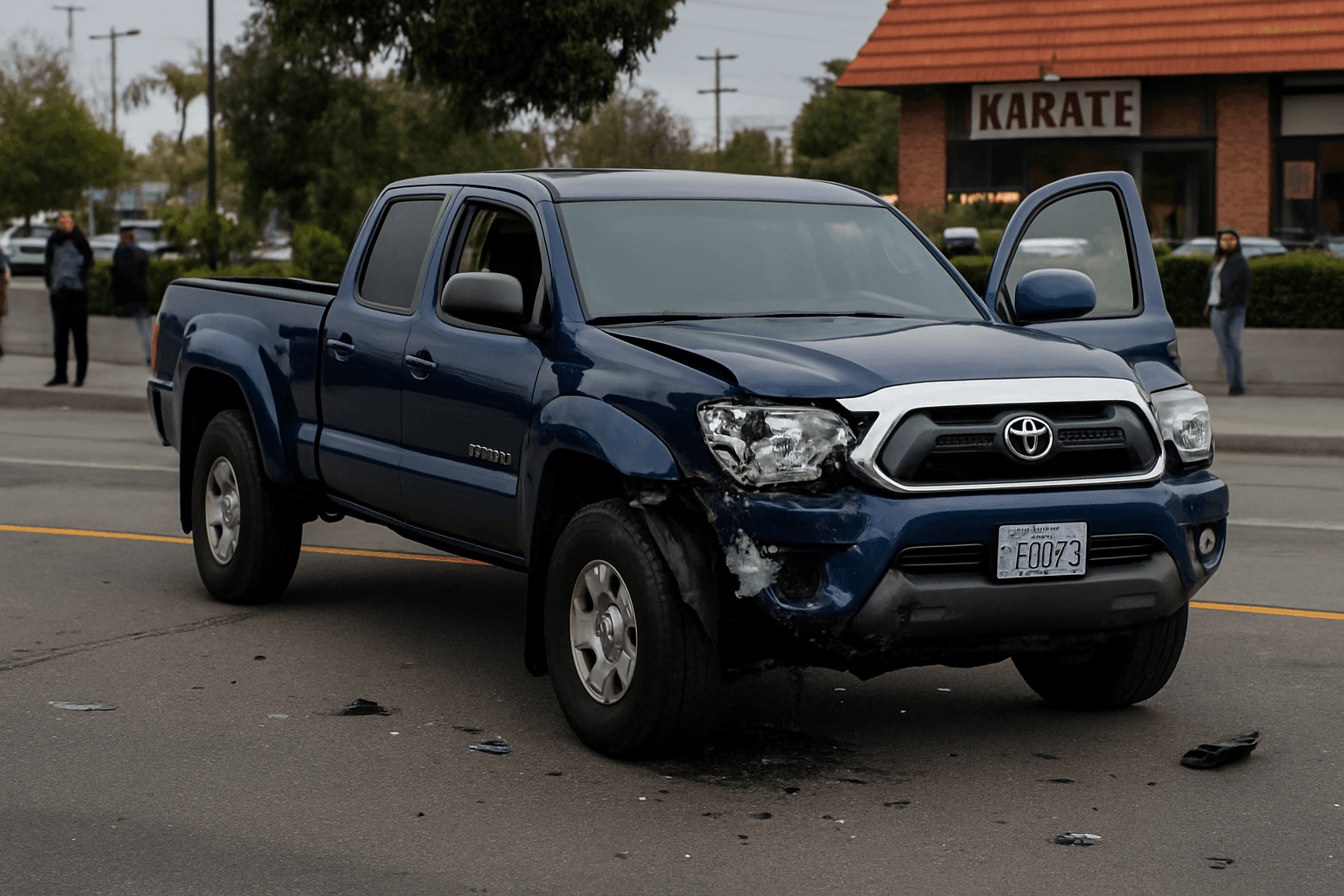
A common rule of thumb: if your collision premium plus deductible exceeds 10 percent of the vehicle's value, the coverage is approaching its useful floor. For a vehicle worth $8,000 with a $1,000 deductible, that threshold sits around $800 annual collision premium. Many retirees in Frisco driving older paid-off vehicles are paying collision premiums in exactly that range while the car's value drops every year.
Comprehensive coverage follows the same logic but typically costs less. Hail, theft, and vandalism are lower-frequency events than collisions, so the premium is often a third to half of collision. Some retirees drop collision but keep comprehensive as a middle path, especially in areas with higher theft or hail risk. Others drop both and bank the savings, treating the vehicle as self-insured for physical damage.
Related Articles



How Texas Retiree Mileage Changes the Risk Equation
Collision risk correlates directly with miles driven. A retiree driving 6,000 miles a year has roughly a third the exposure of someone driving 15,000. Your carrier knows your estimated annual mileage because you reported it at policy inception or renewal, but most don't automatically adjust collision premiums when mileage drops unless you ask.
Some carriers offer explicit low-mileage discounts that reduce both liability and collision premiums. Others offer usage-based programs that track actual mileage via a plug-in device or smartphone app. These programs can cut premiums 10 to 30 percent for drivers consistently under 7,500 miles per year, but they require enrollment. If you never told your carrier your mileage dropped when you retired, you're paying a rate calculated for your old commute.
Texas does not mandate mileage-based pricing, so discount availability varies by carrier. GEICO, Progressive, Nationwide, and Allstate all offer some form of low-mileage or usage-based program in Texas. State Farm and Farmers offer mileage discounts through certain agents. If your current carrier doesn't offer one and you're driving under 8,000 miles a year, comparing carriers that do can surface savings whether or not you change your collision coverage.
Carriers Writing in Texas
25
Texas has 25 carriers in the data layer offering auto insurance to retirees, spanning preferred, standard, and non-standard tiers. Not all offer mature-driver or low-mileage discounts, and program availability changes by underwriting tier.
Auto insurance carriers by state data, Texas
Liability-Only vs Comprehensive-Only: Two Paths Forward
Dropping collision but keeping comprehensive is a common middle choice. You stop paying to insure collision damage to an aging vehicle but retain coverage for total-loss events like theft or hail. In Frisco and the wider Dallas-Fort Worth area, hail is a recurring risk, and comprehensive premiums are low enough that many retirees find the coverage worth keeping even after dropping collision.
Liability-only means you carry the state-required minimums or higher limits and nothing else. Your vehicle's physical damage is self-insured. If you cause an accident, liability pays for the other party; your own car is your responsibility. This path makes sense when the vehicle's value is low enough that replacing it out of pocket is manageable and preferable to continued collision premiums.
What Happens at Your Next Renewal
Removing collision or comprehensive mid-term usually triggers a prorated refund for the unused portion of the current term. Contact your agent or carrier directly, confirm the change, and ask for written confirmation of the new premium and coverage structure. The change takes effect immediately or on a date you specify, and your next renewal notice reflects the reduced coverage.
If you later decide to add collision or comprehensive back, most carriers allow it, but they may require a vehicle inspection to confirm condition and verify no unreported damage. Some won't reinstate physical-damage coverage on vehicles over a certain age or mileage threshold. Dropping coverage is reversible, but not always seamlessly, so treat the decision as durable unless your circumstances change significantly.
Compare Carriers That Price Retiree Profiles Fairly
Your current carrier may not offer the best rate structure for a low-mileage retiree with a paid-off vehicle. Comparing quotes lets you see how carriers price your actual profile today: your age, your mileage, your vehicle's value, and the coverage you actually need. Some carriers weight age and experience favorably; others don't. Some reward low mileage; others treat it as table stakes. The gap between them can be $400 to $800 annually for identical coverage. Get quotes with and without collision so you can see the cost delta in your own numbers, not a rule of thumb. Then decide whether the coverage still earns its cost.