When the Premium Outlasts the Payoff
You finished the last car payment three years ago and expected the insurance bill to drop. It didn't. The renewal arrived at the same premium because your carrier didn't know you paid off the loan, and you didn't know collision and comprehensive were now optional. Most retirees in Irving discover this only when they compare quotes and realize half the premium pays for coverage on a car worth less than two years of those premiums combined.
The question isn't whether you can afford full coverage. The question is whether collision and comprehensive still protect anything worth protecting, or whether that money belongs in higher liability limits that shield your retirement accounts if you cause a serious accident.
Compare rates from carriers that specialize in senior drivers
Mature driver discounts, low-mileage rates, and coverage reviews — see what you're actually eligible for.
Get Your Free QuoteTexas Property Damage Minimum
$25,000
Texas requires $25,000 property damage liability under Transportation Code Chapter 601. That limit covers the other driver's vehicle but leaves your retirement assets exposed in a multi-vehicle accident where property damage exceeds the minimum.
Texas Transportation Code Chapter 601 (Motor Vehicle Safety Responsibility Act)
What Full Coverage Protects Now
Full coverage is collision plus comprehensive, not a single product. Collision pays to repair your car after an accident you caused or a hit-and-run. Comprehensive pays for theft, hail, vandalism, and animal strikes. Both pay only up to your car's actual cash value minus your deductible, regardless of what you paid for the car or what it would cost to replace.
When your sedan was financed, the lender required both. Now that the title is yours, Texas law requires only liability coverage: $30,000 per person and $60,000 per accident for bodily injury, plus $25,000 for property damage. Collision and comprehensive protect your asset; liability protects your retirement accounts, your home equity, and your Social Security income from a lawsuit after an at-fault accident.
A 2016 sedan worth $6,000 with a $500 collision deductible pays a maximum of $5,500 if totaled. If your annual collision and comprehensive premium runs $480, you recover your premium outlay only if the car is totaled within eleven and a half years. That's the math lenders never explain because they don't carry the risk.
Your collision and comprehensive premiums insure the car's depreciated value, not its replacement cost. Once the car is worth less than three years of those premiums, the coverage earns its cost only in a total-loss scenario.
Redirecting Premium Toward Liability Limits
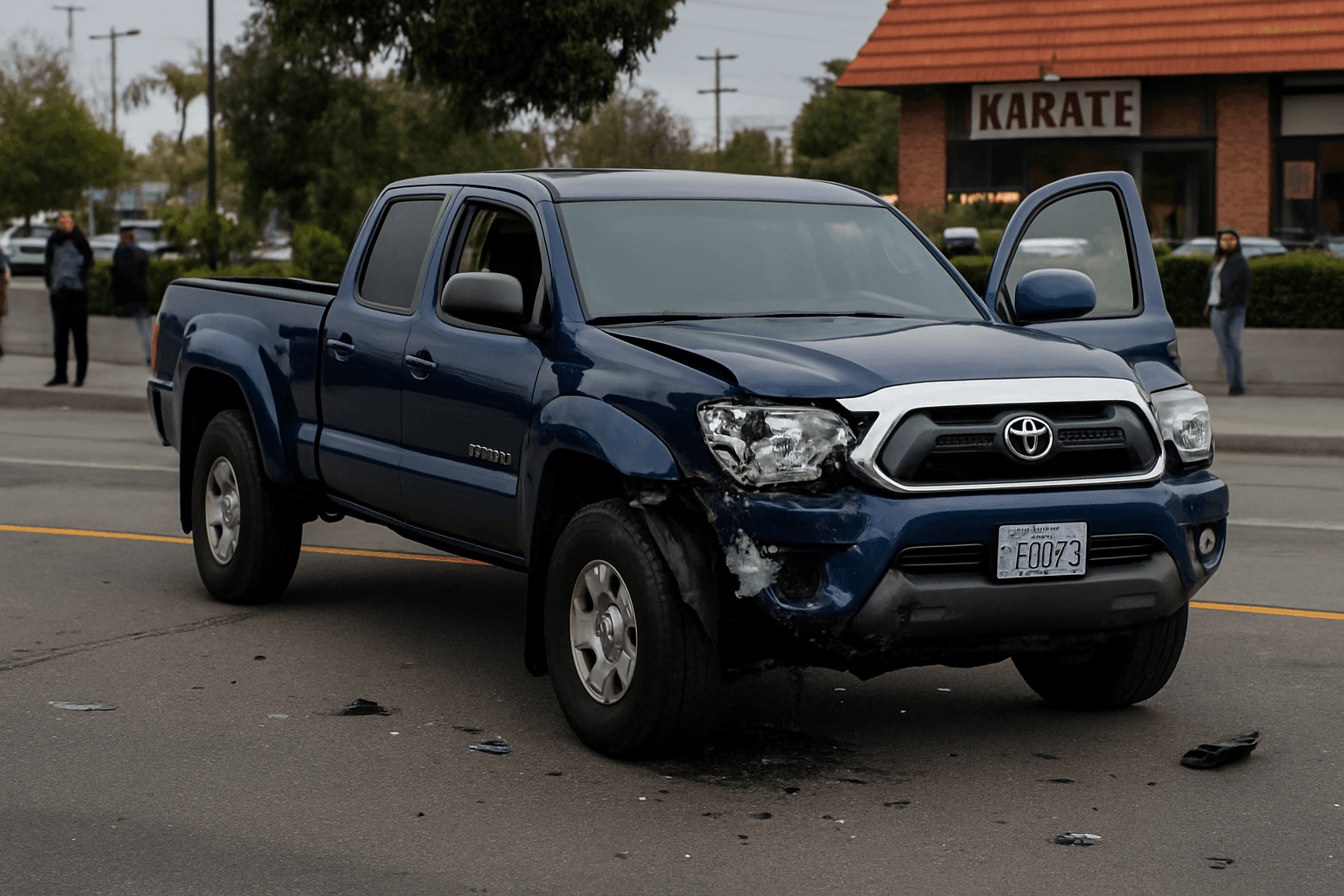
Texas minimum liability limits are $30,000 per person, $60,000 per accident for bodily injury, and $25,000 for property damage. Those limits were set decades ago and haven't kept pace with medical costs or vehicle values. A single injured driver with $80,000 in medical bills exceeds the per-person limit by $50,000, and that $50,000 becomes your personal liability. If you own a home, carry retirement accounts, or receive Social Security, those assets are exposed in the judgment.
Raising bodily injury limits to $100,000 per person and $300,000 per accident typically costs $150 to $250 annually, far less than the collision and comprehensive premiums you drop. Higher property damage limits follow the same pattern. Retirees with paid-off homes and retirement accounts routinely carry $100,000/$300,000/$100,000 or add an umbrella policy because lawsuits target assets, and the minimum limits were never designed to protect someone with equity.
Related Articles



Irving-Specific Considerations
Irving sits in the Dallas-Fort Worth metro, which means heavy commute traffic on Highway 183, Interstate 635, and State Highway 114. Retirees who no longer commute face lower accident risk than working-age drivers, but multi-vehicle pileups during rush hour don't discriminate by schedule. The at-fault driver in a five-car accident on 635 can face property damage claims exceeding $100,000 before anyone counts medical bills.
Texas uses a fault-based system, so the driver who caused the accident pays. If your liability limits fall short, the injured parties can sue for the balance. Your home, your retirement accounts, and your bank accounts are all reachable in a civil judgment. Collision coverage on a $6,000 car does nothing to prevent that outcome.
Hail is the other Irving-specific variable. North Texas hail storms total cars routinely, and comprehensive coverage is the only protection against that loss. If your car is parked in a garage and you have $6,000 set aside to replace it if hail or theft occurs, comprehensive may not earn its cost. If the car sits in a driveway and you lack cash reserves to replace it, comprehensive remains the cheaper path than self-insuring.
Medical payments coverage and personal injury protection interact with Medicare for retirees. Medicare is always secondary to auto insurance, meaning your med pay or PIP pays first up to its limit, then Medicare covers the remainder. Retirees often drop med pay entirely because Medicare covers hospital and physician bills comprehensive and PIP would otherwise pay, but coordinate with your Medicare Advantage or supplement plan before dropping it.
Carriers Writing in Texas
25
Twenty-five carriers write auto insurance in Texas with varying approaches to mature-driver discounts and low-mileage programs. State Farm, USAA, Geico, and Progressive all write in Texas; compare which offer course-based or age-based mature-driver discounts and whether their low-mileage programs apply to your annual mileage.
Texas Department of Insurance licensure records
Comparing Carriers on Liability-First Terms
Texas does not mandate a mature-driver discount. Insurers file discounts voluntarily, and the amounts vary by carrier. Some offer an age-based discount at 55 or 65; others require completion of a state-approved defensive driving course. The discount applies to the base premium, so compare it after you've structured the coverage to match your actual exposure.
Request quotes with collision and comprehensive removed and liability limits raised to $100,000/$300,000/$50,000 or higher. The premium difference between minimum limits and $100,000/$300,000 is typically smaller than the collision and comprehensive premiums you're dropping, and the resulting annual cost is often $400 to $800 lower than your current full-coverage renewal. Add the mature-driver discount on top of that restructured quote, not on top of the full-coverage baseline your current carrier sent.
When to Keep Collision and Comprehensive
Keep both if the car is worth more than three times the annual combined premium for collision and comprehensive, or if you lack cash reserves to replace the car after a total loss. A $12,000 car with $400 annual collision and comprehensive premium clears that threshold; a $5,000 car with $480 premium does not.
Keep comprehensive alone if hail or theft risk is high and you lack garage parking or replacement savings. Comprehensive typically costs half what collision does, and North Texas hail makes it the higher-probability claim. Drop collision and keep comprehensive if the car is older but hail exposure remains.
Drop both and redirect the premium toward liability limits if the car is worth less than three years of combined collision and comprehensive premiums, you have savings to replace it, and you want to protect retirement assets from a lawsuit. The liability-first approach is the correct path for most retirees with paid-off vehicles of moderate value.
Your Next Step
Request quotes from three carriers writing in Texas with collision and comprehensive removed and bodily injury liability raised to $100,000 per person and $300,000 per accident. State that you are 65 or older and ask which mature-driver discount applies and whether a defensive driving course increases it. Compare the annual premium against your current full-coverage renewal, then decide whether the collision and comprehensive premiums on your paid-off car still protect anything worth protecting. The answer is a number, and you now have the frame to calculate it.