
When the Last Payment Clears
You made the final payment on your vehicle, the lien released, and your premium notice arrived with the same full-coverage charge it carried when the bank still owned the title. The carrier didn't suggest a change because full coverage generates the highest premium. No letter arrived explaining that collision and comprehensive are now optional. You own the asset outright, and every coverage decision is yours to make.
For Garland retirees driving paid-off vehicles of moderate age, the full-coverage question is structural: collision and comprehensive protect the vehicle's current cash value, minus your deductible, and that value drops every year. When the annual cost of those coverages approaches or exceeds what you'd recover in a total-loss claim, the math no longer works. The decision depends on the vehicle's present value, your deductible, and whether you can replace it from savings if something happens.
Compare rates from carriers that specialize in senior drivers
Mature driver discounts, low-mileage rates, and coverage reviews — see what you're actually eligible for.
Get Your Free QuoteTexas Property Damage Minimum
$25,000
Texas liability minimums are $30,000 per person, $60,000 per accident bodily injury, and $25,000 property damage. Dropping collision and comprehensive leaves liability intact: you're still covered for damage you cause to others, just not to your own vehicle.
Texas Transportation Code Chapter 601
What Full Coverage Actually Protects
Full coverage is shorthand for a liability policy with collision and comprehensive added. Liability pays for damage you cause to another person or their property. Collision pays to repair or replace your vehicle after an accident, regardless of fault. Comprehensive covers theft, weather damage, vandalism, and animal strikes. When the vehicle is financed, the lender requires both collision and comprehensive to protect their asset. Once you own it outright, those coverages protect your asset, and you decide whether the annual cost justifies the maximum payout you'd receive.
Collision and comprehensive each carry a deductible. If your vehicle is worth $4,000 and your collision deductible is $1,000, the maximum net recovery in a total-loss claim is $3,000. If annual collision and comprehensive premiums together run $800, you're paying more than a quarter of the maximum recovery every year. After three years, you've paid more in premiums than you'd recover in a claim, and the vehicle has depreciated further in that time.
The blocker: your carrier never tells you when the premium-to-value ratio crosses the threshold where coverage stops earning its cost. You have to calculate it yourself.
Run the Coverage-Fit Calculation
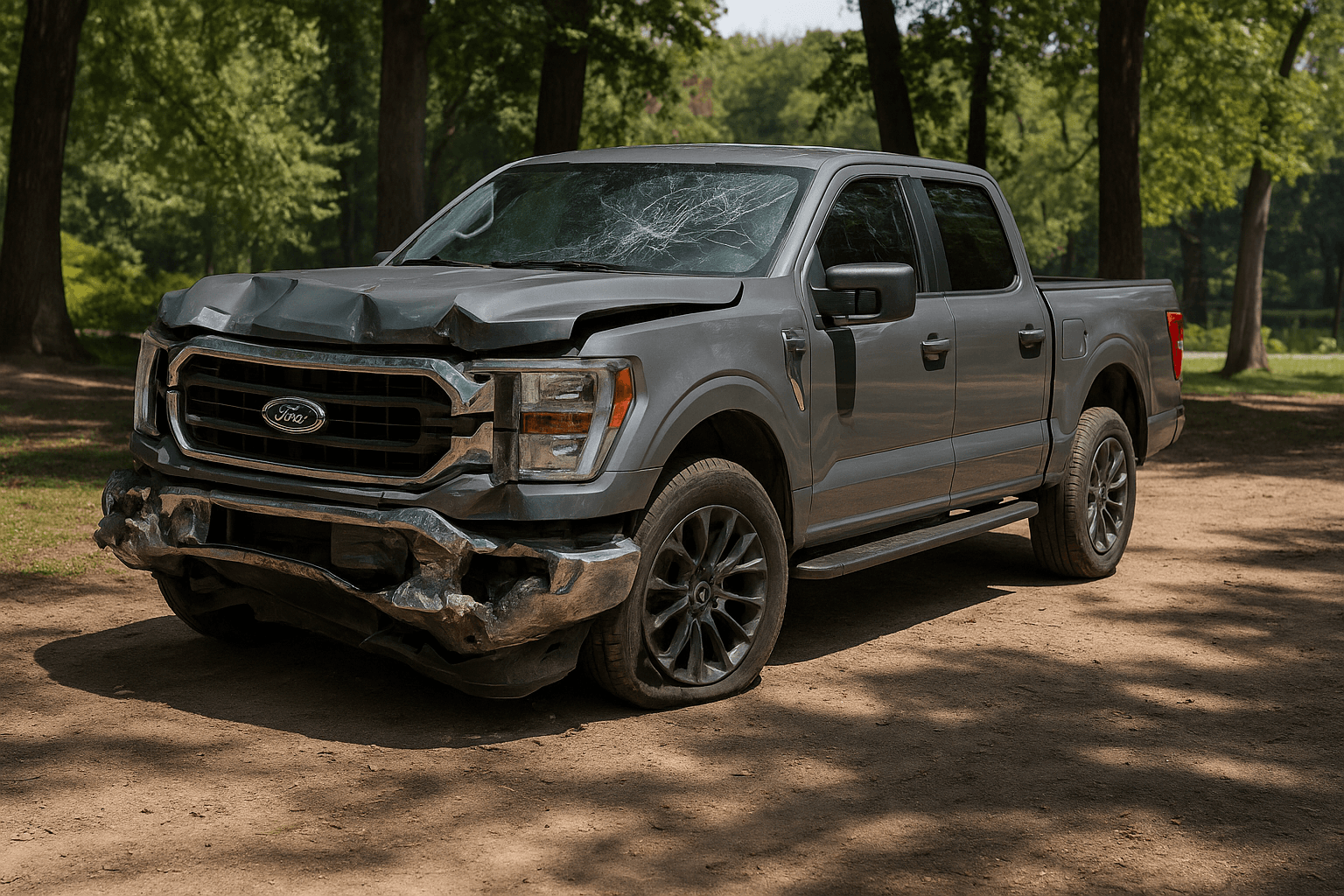
Start with the vehicle's actual cash value, not what you paid or what you think it's worth. Use NAIC's vehicle valuation tool, Kelley Blue Book, or an independent appraisal. Subtract your collision deductible to find the maximum net recovery in a total-loss claim. If your vehicle is valued at $5,000 and your deductible is $1,000, the net recovery ceiling is $4,000. This is the most you'd collect if the vehicle were totaled tomorrow.
Next, pull your current premium notice and isolate the annual cost of collision and comprehensive together. Many Garland retirees discover these two coverages account for 40 to 60 percent of the total premium once liability, medical payments, and uninsured motorist are separated out. Divide the maximum net recovery by the annual collision-plus-comprehensive cost. If the result is less than three years, you're paying a meaningful fraction of the vehicle's value every year for coverage that depreciates alongside the asset it protects.
Related Articles

State-Specific Considerations for Texas Retirees
Texas does not require collision or comprehensive on any vehicle, regardless of value or age. The state mandates only liability coverage meeting the minimum limits. Once the lien releases, you may drop collision and comprehensive immediately without violating state law. Your liability coverage remains in force, and you're still insured for damage you cause to others.
Texas is an at-fault state. If another driver causes an accident and carries liability insurance, their policy pays to repair or replace your vehicle regardless of whether you carry collision. Collision coverage becomes relevant only when the at-fault driver is uninsured, underinsured, or cannot be identified, or when you cause the accident yourself. Comprehensive remains relevant for non-collision events: hail, theft, and animal strikes are common in the Garland area, and comprehensive is the only coverage that pays for those losses.
Medical payments coverage and personal injury protection coordinate with Medicare differently than collision coordinates with liability. Retirees enrolled in Medicare should confirm how med-pay or PIP interacts with Medicare before adjusting any coverage. Medical payments coverage can pay deductibles and copays Medicare doesn't cover, but collision and comprehensive have no Medicare interaction: they pay only for vehicle damage, never medical bills.
Carriers Writing in Texas
25
Twenty-five carriers write personal auto policies in Texas with online quote availability or broker access. Compare which carriers offer mature-driver discounts and low-mileage programs before deciding whether to adjust coverage: a 10 percent discount on a liability-only policy may cost less annually than full coverage at your current carrier, even with no discount.
State carrier licensing data
When Keeping Coverage Still Makes Sense
Collision and comprehensive remain worth their cost when the vehicle's value is high enough that replacing it from savings would strain your fixed income. If your paid-off vehicle is valued at $15,000 and collision-plus-comprehensive costs $600 annually, the coverage-to-value ratio is favorable, and the peace of mind may justify the expense. Retirees who cannot afford to replace the vehicle out-of-pocket often keep both coverages even on older vehicles.
Comprehensive alone is often a middle path. If your vehicle is garaged in Garland and hail, theft, or animal strikes are genuine risks, comprehensive may be worth keeping even after dropping collision. Comprehensive typically costs less than collision, and the deductible is often lower. A retiree who rarely drives and parks in a carport might drop both; one who parks on the street in an area with frequent storm activity might keep comprehensive and drop collision.
Making the Change Mid-Policy
You may drop collision or comprehensive at any point during the policy term. Contact your carrier or agent, request the change, and confirm the new premium in writing before the adjustment takes effect. Most carriers process the change within one billing cycle and issue a prorated refund for the unused portion of the dropped coverages. The refund appears as a credit on the next bill or as a check, depending on the carrier's procedure.
The change is permanent until you add the coverages back. If you drop collision and later decide to reinstate it, the carrier will require a vehicle inspection or photos to confirm no undisclosed damage occurred while the coverage was absent. Some carriers refuse to reinstate collision or comprehensive on vehicles above a certain age or below a minimum value. Verify reinstatement eligibility before dropping coverages if you think you may want them back later. Once dropped, adding them back is not automatic.
Compare Before You Drop
Before removing collision and comprehensive from your current policy, compare what liability-only coverage costs at carriers writing in Texas that offer mature-driver and low-mileage discounts. State Farm, USAA, Geico, and Progressive all write in Texas; eligibility and discount structures vary by carrier. Some carriers offer accident forgiveness or vanishing deductibles that reduce the effective cost of keeping collision as you age into lower-mileage driving patterns.
A liability-only quote from a carrier offering a mature-driver discount may cost less than your current full-coverage premium at a carrier that doesn't. The decision is not collision-or-no-collision in isolation; it's which carrier and which coverage configuration together produce the lowest annual cost for the protection you actually need. Request quotes for both liability-only and full-coverage configurations from at least three carriers before finalizing the decision. The comparison step is where the savings appear, not in the decision to drop coverage alone.