
The Premium That Didn't Drop When the Lien Did
Your last car payment cleared two years ago. Your daily commute ended when you retired. You now drive 6,000 miles a year instead of 15,000, yet your full-coverage premium held steady or climbed. The lender no longer requires collision and comprehensive, but you kept both because the agent said you should. No one explained that the premium structure stayed locked to replacement-value risk while your actual exposure fell by two-thirds.
This article clarifies what full coverage costs on a paid-off vehicle in El Paso, which carriers writing in Texas recognize low-mileage retirees as a distinct segment, and where the coverage-fit calculation changes once the loan obligation disappears. You will see the structural reason premiums ignore loan payoff, the discount pathways Texas carriers offer retirees, and the decision framework for collision and comprehensive once no lender has a stake.
Compare rates from carriers that specialize in senior drivers
Mature driver discounts, low-mileage rates, and coverage reviews — see what you're actually eligible for.
Get Your Free QuoteTexas Property Damage Minimum
$25,000
Texas Transportation Code mandates $30,000 per person and $60,000 per accident for bodily injury, plus $25,000 property damage. Full coverage adds collision and comprehensive on top of this liability floor, priced on your vehicle's actual cash value regardless of loan status.
Texas Transportation Code Chapter 601
Why Loan Payoff Doesn't Trigger a Premium Drop
Collision and comprehensive premiums price replacement risk, not loan balance. The carrier calculates premium on your vehicle's actual cash value: what it would cost them to settle a total-loss claim today. That figure has nothing to do with whether you owe a lender. A paid-off 2015 sedan with 80,000 miles and an actual cash value of $8,500 generates the same collision premium whether you own it outright or carry a $3,000 loan balance.
The lender's interest disappears at payoff, but the carrier's exposure stays identical. You can now drop collision and comprehensive without violating a loan agreement, but the premium structure treats the vehicle the same way it did the day before your final payment cleared. The coverage-fit decision is yours to make; the math governing premium stayed constant throughout.
This is why retirees often carry full coverage priced for commuter risk years after the commute ended. The policy renews automatically. The agent never revisits coverage fit once the loan drops off. The premium reflects replacement risk on a vehicle whose use profile changed, but whose actual cash value still dictates the collision rate.
Your current premium prices a replacement-value scenario that would total your vehicle. If that vehicle now sits parked five days a week and your emergency fund covers its actual cash value, collision may cost more than it protects.
Which El Paso Carriers Recognize Low-Mileage Retirees

GEICO, Progressive, State Farm, and USAA write standard and preferred business in Texas and offer online quotes. GEICO and Progressive explicitly market usage-based and low-mileage programs; State Farm offers a mature-driver discount but you must ask for it at quote time. USAA restricts eligibility to military-affiliated households but provides both mature-driver and low-mileage discounts when you qualify. None of these programs apply automatically at renewal: you submit documentation, the carrier verifies mileage or course completion, and the discount appears at the next renewal if you re-enrolled.
Non-standard and high-risk specialists writing in Texas include Dairyland, GAINSCO, Acceptance, and The General. These carriers focus on drivers with violations or lapses, not retirees with clean records. If your record is clean and your mileage dropped, start with standard-market carriers whose underwriting treats low exposure as favorable rather than high-risk specialists whose pricing assumes elevated risk regardless of your profile.
Related Articles




The Coverage-Fit Calculation Once the Lender Drops Off
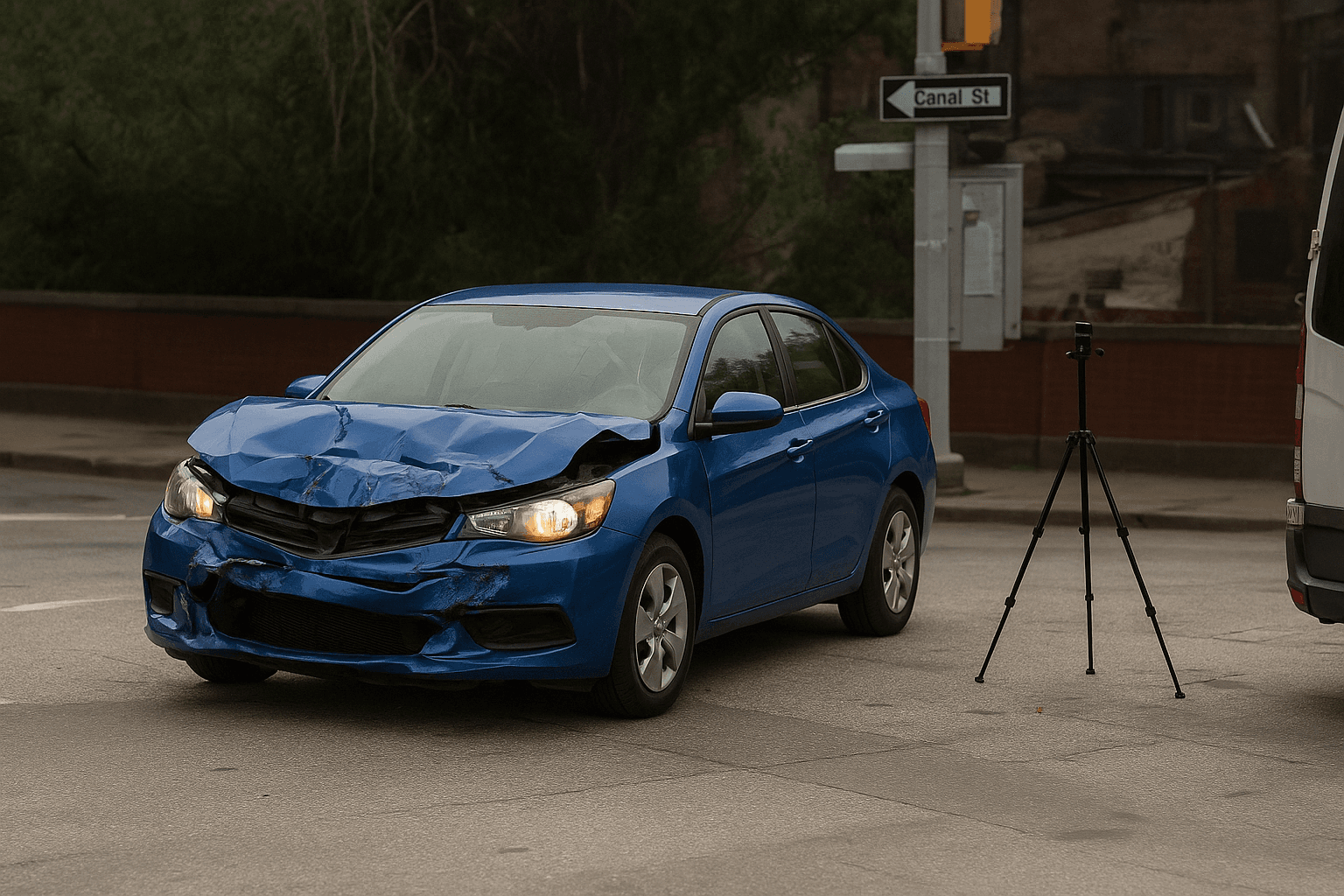
Collision pays the actual cash value of your vehicle minus your deductible when you cause the accident or the other driver is uninsured. Comprehensive pays the same figure for non-collision events: theft, hail, vandalism, animal strikes. Both coverages price on replacement risk. The decision framework asks whether the annual premium justifies the maximum payout you would receive after subtracting your deductible.
A conventional threshold places the break-even point at roughly ten times the annual collision-plus-comprehensive premium. If those two coverages combined cost $600 per year and your vehicle's actual cash value sits at $6,000, the math tilts against full coverage unless you lack liquid reserves to replace the vehicle out of pocket. If the same vehicle is worth $12,000, collision and comprehensive still defend against a loss your emergency fund may not absorb.
Medicare does not coordinate with medical-payments or personal-injury-protection coverage the way private health insurance does. Medicare Part B covers accident-related injuries as secondary payer when auto med-pay exhausts first. Retirees on Medicare often drop med-pay because Medicare already provides the coverage, but this creates a gap if the accident occurs out of state or involves a passenger not on Medicare. Texas does not require personal-injury-protection coverage, so this decision rests entirely on household medical-insurance structure.
The liability calculation sits apart from the vehicle's value. Your retirement assets remain exposed in an at-fault accident regardless of what you owe on the car. If you carry home equity, retirement accounts, or other attachable assets above the $30,000/$60,000 state minimum, umbrella liability or higher bodily-injury limits protect those assets. Dropping collision on a paid-off vehicle does not reduce your liability exposure; those are separate coverage decisions.
Texas-Licensed Carriers Reviewed
25
Twenty-five carriers writing personal auto insurance in Texas were evaluated for mature-driver, low-mileage, and retiree-focused discount programs. Standard-market carriers with explicit senior and reduced-mileage programs include GEICO, Progressive, State Farm, and USAA; none mandate automatic application, and all require documentation at quote or renewal.
Carrier licensing data, Texas Department of Insurance
Failure Modes Competing Pages Never Name
Most mature-driver discounts require completion of a state-approved defensive-driving course and submission of the certificate to your carrier before renewal. The certificate expires after a set period, typically three years in most states, and the discount lapses when the certificate expires unless you complete a new course and resubmit. Carriers do not notify you when the certificate expires. The discount disappears at renewal and your premium climbs unless you re-enrolled before the expiration window closed.
Low-mileage and usage-based programs require you to verify annual mileage at renewal or install a telematics device that reports mileage and driving behavior to the carrier. If you skip the verification step or the device reports higher mileage than you estimated at enrollment, the discount vanishes. Retirees who quoted a 5,000-mile annual estimate and then drove 9,000 miles see the discount removed retroactively, sometimes with a bill adjustment covering the prior term. The program does not accommodate occasional long trips unless you over-estimate mileage at enrollment, which reduces the discount from the start.
What Happens If You Drop Collision and Regret It Later
You can reinstate collision and comprehensive at any renewal or policy-change request. The carrier will re-quote based on your vehicle's current actual cash value, your updated mileage, and your claims history since you dropped the coverage. If your vehicle depreciated significantly or you filed no collision claims during the coverage gap, reinstatement may cost less than the premium you paid before dropping it. If your vehicle's value held steady and you accumulated a new at-fault accident, reinstatement premium will reflect the updated risk.
Dropping collision does not affect your liability coverage, your mature-driver discount eligibility, or your standing with the carrier. It is a coverage-fit decision, not a risk signal. Retirees drop and reinstate collision routinely as vehicle value and household liquidity change. The gap in coverage history does not penalize you unless a claim occurred during the gap that would have triggered a collision payout.
Next Step: Compare Carriers on Programs, Not Promises
Request quotes from GEICO, Progressive, State Farm, and USAA if you qualify for USAA membership. Specify your annual mileage, your paid-off vehicle status, and ask explicitly whether the carrier offers a mature-driver discount and what documentation it requires. Compare the cost of full coverage against liability-only, then calculate whether the collision and comprehensive premium justifies the net payout after your deductible. If your vehicle's actual cash value sits below ten times the annual collision premium and your emergency fund covers replacement, dropping collision makes structural sense. If the value exceeds that threshold or your liquidity is tight, keep full coverage and pursue every mature-driver and low-mileage discount the carrier files.