
Why Your Low Mileage Isn't Saving You Money
You retired three years ago. Your commute vanished. Your annual mileage dropped from 12,000 to under 5,000. Your premium increased anyway. Usage-based programs from Progressive, State Farm, Nationwide, and Allstate promise discounts for exactly the driving pattern you already have, but the discount requires enrolling in monitoring before the low-mileage year happens, not after you've already driven it.
This reversal trips most retirees. The carrier wants proof you will drive less, not proof you already do. The monitoring device or smartphone app tracks a trial period, typically 90 days, before applying a discount. If you enroll in month 11 of a low-mileage year, the trial runs into next year and the discount arrives twelve months late.
Compare rates from carriers that specialize in senior drivers
Mature driver discounts, low-mileage rates, and coverage reviews — see what you're actually eligible for.
Get Your Free QuoteCarriers Writing in Texas
25
At least 25 carriers operate in Texas, but only a subset offer usage-based programs to retirees. Progressive Snapshot, State Farm Drive Safe & Save, Nationwide SmartRide, and Allstate Drivewise are the most accessible for drivers 65 and older in Irving.
Texas Department of Insurance carrier licensure records
How Usage-Based Programs Actually Work for Retirees
Usage-based programs track mileage, time of day, braking patterns, and speed. Retirees typically score well on every dimension except one: the enrollment timing. Most programs require a 90-day monitoring window before applying the discount. Some extend the window to six months. The carrier calculates your discount at the end of the trial, then applies it at your next renewal.
Progressive Snapshot monitors for one policy term, then locks your discount for the following term. State Farm Drive Safe & Save recalculates every renewal cycle based on the preceding six months. Nationwide SmartRide runs a single trial period and keeps the discount unless your mileage increases significantly. Each carrier defines low mileage differently. Progressive considers under 7,500 miles annually as low. State Farm's threshold sits closer to 5,000. Nationwide does not publish a mileage floor.
The friction point for retirees in Irving: if you drove 4,000 miles last year without monitoring, that year contributes nothing to your discount calculation. The carrier wants real-time proof during the trial window, not your odometer reading or annual mileage estimate. Enrollment before the low-mileage year starts maximizes the discount. Enrollment after wastes twelve months of qualifying behavior.
You cannot retroactively apply usage-based discounts to mileage already driven. The trial period measures future behavior only, making enrollment timing the single largest variable in discount outcome.
What the Trial Period Actually Measures

Mileage: the primary variable for retirees. Carriers weight total miles driven more heavily than any other factor. Most programs apply the deepest discounts to drivers logging under 5,000 annual miles, exactly the range most Irving retirees fall into once commuting ends. The program reads your odometer digitally or via GPS; manual reporting is not accepted.
Time of day: late-night and early-morning driving increases risk scores. Retirees driving to medical appointments, church, or grocery stores between 9 a.m. and 5 p.m. score favorably. Weekend evening driving to restaurants slightly elevates the score but rarely enough to cancel mileage savings. Avoid enrollment if you drive regularly between midnight and 4 a.m.
Related Articles



Why Some Retirees Fail the Trial Despite Low Mileage
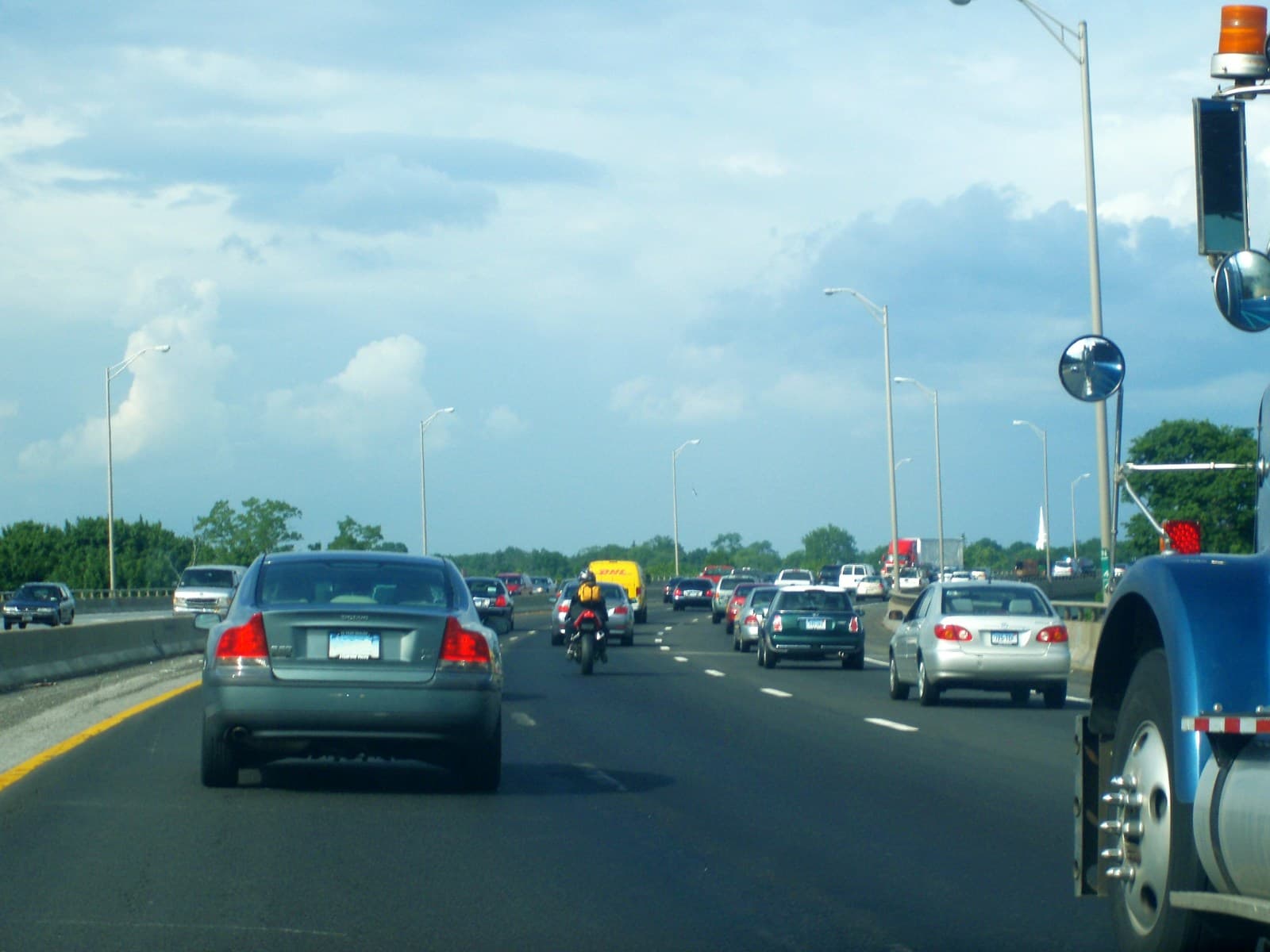
Hard braking triggers the most common trial failures. Carriers define hard braking as deceleration exceeding a threshold measured in G-force, typically above 7 mph per second. Urban stop-and-go traffic in Irving, particularly along Texas State Highway 161 and Interstate 635, produces more hard-braking events than rural highway driving, even when total mileage stays low.
The monitoring app flags yellow lights you stop for as hard braking if you decelerate quickly. It flags defensive stops when another driver cuts you off. It flags braking to avoid potholes or debris. Retirees who drove cautiously for decades suddenly see trial scores dragged down by urban traffic conditions beyond their control. The solution: drive the trial period on residential streets and avoid peak congestion hours when possible.
Speed events matter less for retirees than younger drivers. Most programs flag sustained speeds above 80 mph. Irving retirees rarely trigger this threshold unless driving long highway stretches to visit family in Dallas or Fort Worth. Brief speed excursions during freeway merges do not usually register as violations.
Texas Bodily Injury Minimum Per Person
$30,000
Texas requires $30,000 bodily injury coverage per person, $60,000 per accident, and $25,000 property damage. Usage-based discounts reduce premium but do not lower liability requirements, meaning a retiree with minimal assets still needs minimums even on a paid-off vehicle.
Texas Transportation Code Chapter 601
When Low-Mileage Programs Beat Usage-Based Monitoring
Some carriers offer low-mileage discounts without telematics. These programs require an annual odometer photo or in-person verification instead of continuous monitoring. The discount applies immediately at renewal if your mileage qualifies, without a trial period. The trade: the discount percentage typically runs lower than usage-based programs.
Metromile and Mile Auto sold pay-per-mile policies in Texas until both companies ceased operations or withdrew from the state in recent years. As of current market conditions, traditional low-mileage discount programs remain available through select carriers writing in Texas, but you must ask your agent explicitly. Many agents will not mention the option unless you request it, because telematics programs generate more underwriting data for the carrier.
What to Do Right Now
Call your current carrier and ask two questions: does your policy include a usage-based program available to drivers over 65, and does the carrier offer a non-telematics low-mileage discount based on annual odometer verification. If both answers are no, you are leaving money on the table. If the answer is yes, ask when enrollment must occur relative to your renewal date to apply the discount at the next cycle.
Compare the trial-period requirement across Progressive, State Farm, Nationwide, and Allstate if your current carrier does not offer a program. Enrollment is free. You can withdraw from most programs if the trial score does not favor you, though withdrawal timing rules vary by carrier. Start the trial at least 120 days before your renewal to allow the monitoring period to complete and the discount to process before the new term begins.