
The Mileage-Timing Disconnect
Your carrier sent an email promoting its usage-based insurance app with a promise: drive less, pay less. You've been driving half the miles you logged before retirement, so you enrolled. Three months later your discount landed at 4%, not the 20-30% the marketing suggested. The app flagged your Tuesday afternoon grocery run and Thursday lunch drive as moderate-risk trips because you were on the road during what the algorithm considers elevated-exposure hours—even though you deliberately avoid morning and evening rush.
Usage-based programs measure more than mileage. They score braking events, speed relative to posted limits, time of day, and in some implementations road type and weather conditions. For retired drivers in Austin whose patterns have shifted from I-35 commutes to midday errands and weekend social driving, the timing and route variables can suppress discounts even when annual mileage drops by half. The programs were calibrated on data from working-age drivers whose low mileage correlates with off-peak driving; retirees drive off-peak by choice but remain active during hours the models treat as moderately risky simply because roads are occupied.
Compare rates from carriers that specialize in senior drivers
Mature driver discounts, low-mileage rates, and coverage reviews — see what you're actually eligible for.
Get Your Free QuoteCarriers Writing in Texas
25
Texas hosts 25 confirmed carriers offering standard and non-standard auto policies, but fewer than half currently deploy mature-driver-specific telematics or mileage tiers that separate retired driving patterns from working-age baselines. Compare carriers' program structures, not advertised savings percentages.
Texas Department of Insurance carrier licensing data
What Usage-Based Programs Actually Measure in Austin
Austin usage-based programs from carriers writing in Texas typically track four inputs: total miles driven per policy period, hard braking events defined by deceleration thresholds, speed compliance measured against posted limits, and time-of-day distribution. Some add a fifth: road-type scoring that differentiates highway miles from surface streets. The algorithms assign risk weights to each input and compound them into a single score that determines your discount tier.
Retired drivers encounter friction at the time-of-day layer. You no longer drive at 7:30 AM or 5:45 PM, the highest-risk windows for collision frequency. But you do drive between 10 AM and 2 PM for medical appointments, errands, and social commitments—hours the algorithm treats as moderate risk because traffic volume remains present even though rush dynamics are absent. Programs calibrated on national data pools penalize any driving outside the true low-risk window of early morning and late evening, which doesn't align with how most retirees structure their day.
The mileage component works in your favor. Dropping from 12,000 annual miles to 6,000 does register as lower exposure. But when that reduction is offset by time-of-day scoring that assumes midday driving carries the same risk profile as a 35-year-old's midday driving, the net discount compresses. You're being compared to a baseline that doesn't distinguish experienced low-speed errand driving from distracted midday commuting.
The unresolved question: you need a program that separates mileage reduction from time-of-day penalty, and most carriers bundle both into one opaque score with no way to see which component suppressed your discount.
Comparing Program Structures Across Texas Carriers

Mileage-only programs are the simplest: you report odometer readings at policy inception and renewal, and the carrier prices you into a tier based solely on stated annual miles. No app, no monitoring, no time-of-day penalty. These programs reward your 6,000-mile profile without scrutinizing when or how you drive those miles. Carriers offering mileage-only tiers include a subset of standard carriers writing in Texas, though not all advertise them prominently—ask your agent explicitly whether a mileage-based tier exists separate from their telematics program.
Hybrid telematics programs monitor mileage plus behavior inputs but allow you to opt into mileage-only tracking if you decline the app. This structure gives you a choice: accept behavior monitoring for the chance at a larger discount, or lock in a mileage-only tier with a smaller guaranteed discount and no time-of-day exposure. The mileage-only path trades potential upside for predictability, which matters when your driving pattern doesn't fit the behavior model. Confirm at enrollment whether the hybrid structure lets you switch between modes at renewal without penalty.
Related Articles



Austin-Specific Driving Context and Program Fit
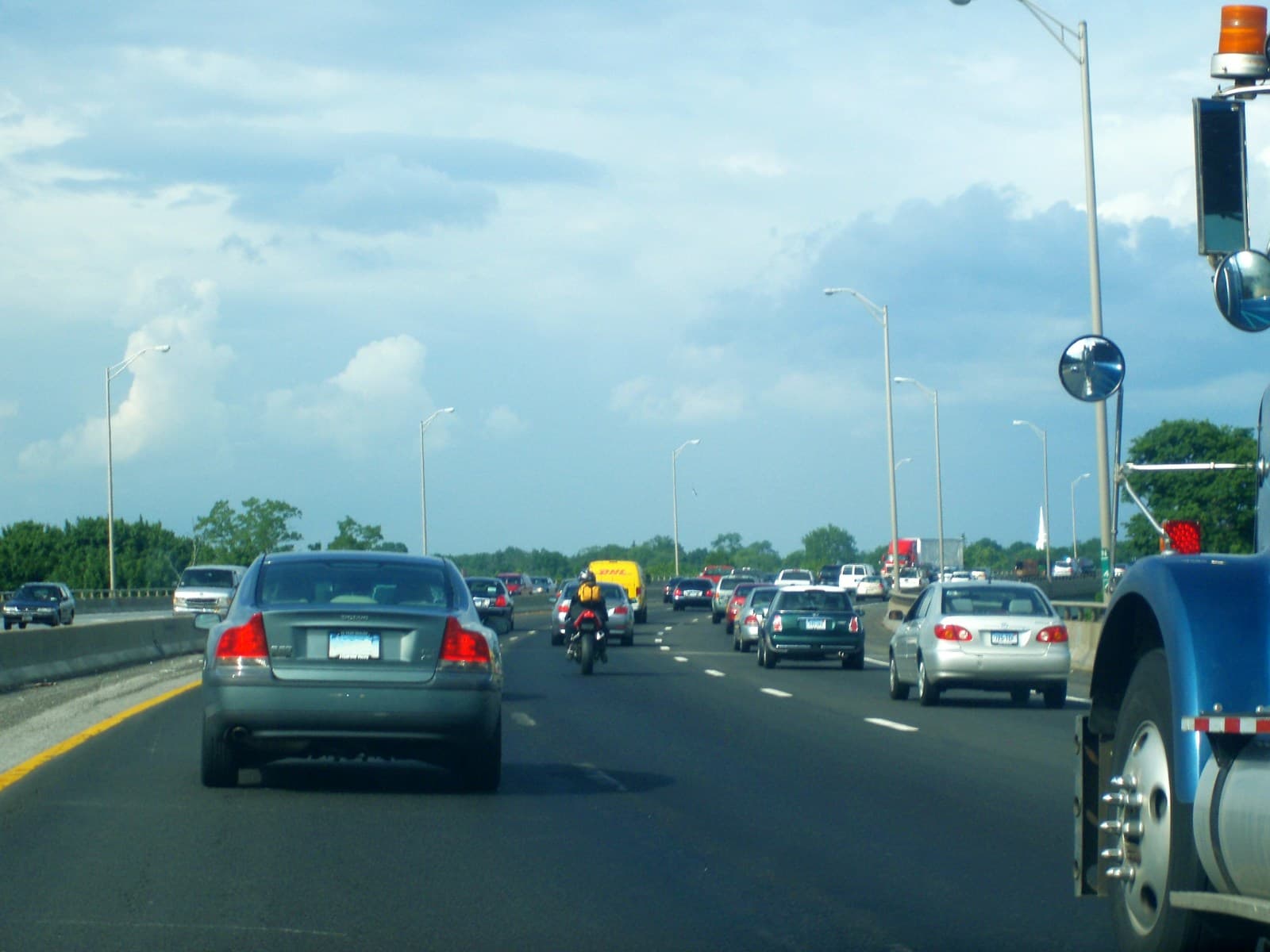
Austin's traffic density peaks between 7:00 and 9:30 AM and again between 4:30 and 7:00 PM on I-35, MoPac, and US-183. Retired drivers who avoid these windows by scheduling appointments mid-morning or early afternoon reduce their collision exposure materially compared to commuters. But telematics algorithms often classify 10 AM to 3 PM as moderate risk because aggregate traffic volume during those hours remains elevated relative to overnight and very early morning.
If you drive surface streets—Burnet Road, South Lamar, Airport Boulevard—rather than highways for local errands, some programs score that favorably. Surface-street miles at moderate speed are statistically lower-risk than highway miles, and carriers whose algorithms differentiate road type will credit your route choices. Other programs ignore road type entirely and score only speed compliance and braking, which means your cautious 35-mph drive down a neighborhood collector road gets the same neutral treatment as a 35-year-old's identical trip.
Weather is rarely a differentiator in Austin usage-based scoring. The city's low precipitation and absence of winter road conditions mean weather-based risk adjustments don't materially affect your profile the way they might in a state with ice or frequent heavy rain. Your program comparison should focus on mileage treatment, time-of-day weighting, and whether the carrier's mature-driver discount stacks with the usage-based discount or substitutes for it.
Texas Property Damage Minimum
$25,000
Texas requires $25,000 property damage liability per accident. Retirees comparing usage-based programs should verify that participation doesn't alter their ability to adjust liability limits or drop collision on a paid-off vehicle—some telematics programs require maintaining full coverage as a participation condition.
Texas Transportation Code Chapter 601
Mature-Driver Discount and Telematics Interaction
Texas does not mandate a mature-driver or defensive-driving-course discount. Carriers writing in Texas may offer one voluntarily, and the amount is set by individual carrier filing. When a carrier offers both a mature-driver discount and a usage-based program, ask your agent explicitly whether the two stack or whether enrollment in the telematics program replaces the mature-driver discount.
Some carriers treat the mature-driver discount as a demographic rate adjustment that applies before telematics scoring; others fold it into the usage-based discount tier, meaning you receive whichever is larger but not both. If your mature-driver discount is 8% and your telematics score projects a 6% discount, a carrier that stacks them applies both; a carrier that substitutes gives you only the 8%. The interaction rule is filed per carrier and is not standardized across Texas.
If you completed a state-approved defensive driving course to qualify for the mature-driver discount and your certificate is active, confirm that enrolling in a usage-based program will not void that discount at your next renewal. Certificates typically remain valid for three years, but some telematics program terms treat enrollment as an election that supersedes course-based discounts. Read the telematics enrollment agreement or ask your agent to clarify the interaction in writing before you install the app.
What to Ask Before Enrolling
Request a written breakdown of how the telematics discount is calculated. Specifically, ask what percentage of the total score derives from mileage, what percentage from time-of-day, and what percentage from behavior events like hard braking. If the carrier cannot or will not provide those weights, the program is opaque and you cannot predict how your retired driving pattern will score.
Confirm whether the program sets a floor: will your rate ever increase based on telematics data, or is the program discount-only with your base rate as the floor. Discount-only programs cannot raise your premium above what you would pay without participation; floor-less programs can. For a retired driver whose mileage is low but whose time-of-day pattern may not align with the algorithm, a discount-only structure eliminates downside risk.
Compare Carriers, Then Enroll
The next step is not installing an app. The next step is requesting quotes from at least three carriers writing in Texas—one that offers mileage-only tiers, one with a hybrid telematics structure, and one with a mature-driver discount independent of telematics—and comparing the premium each projects for your actual mileage and coverage elections. Provide your current annual mileage, your vehicle's age and value, and whether you carry collision and comprehensive or liability only. Ask each carrier how their mature-driver discount interacts with any mileage or telematics program, and whether participation requires maintaining coverage you are considering dropping. Usage-based programs are tools, not requirements. Use them when the structure rewards your pattern; ignore them when the algorithm penalizes driving behavior that is statistically lower-risk than the baseline it assumes.